44 swing faults. One at a time.
Coach Harvey detects the most common faults that block improvement — early extension, casting, over the top, head movement, and 40 more. Each entry covers what it is, what causes it, and the drill that fixes it. The same library shapes what your coach says when you ask about your own swing.
Setup
7 faultsPoor Alignment
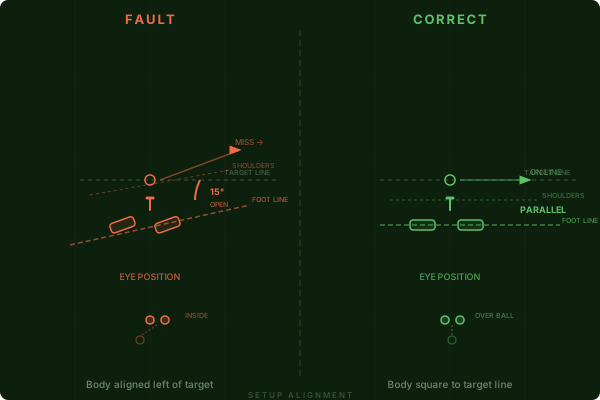
Body lines (feet, hips, shoulders) not aligned parallel to the target line, causing pushes, pulls, and compensations in the stroke.
Poor Ball Position
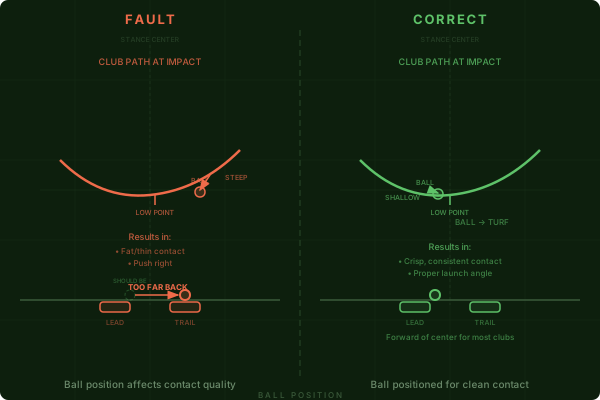
Ball positioned too far forward or back in the stance, causing the club to contact the ball at the wrong point in the swing arc.
Grip Pressure
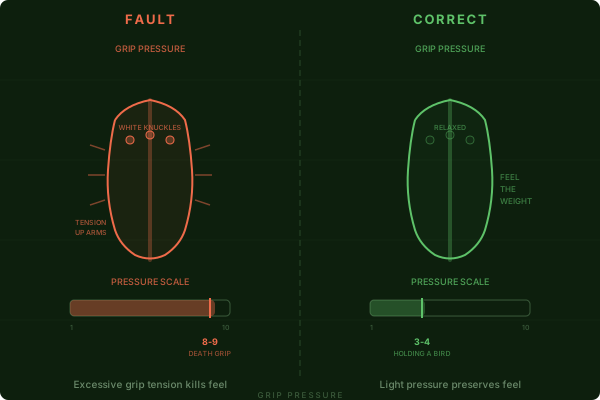
Gripping the club too tightly creates tension in the hands, wrists, and forearms, killing feel and preventing a smooth, free-flowing stroke.
Weak Grip
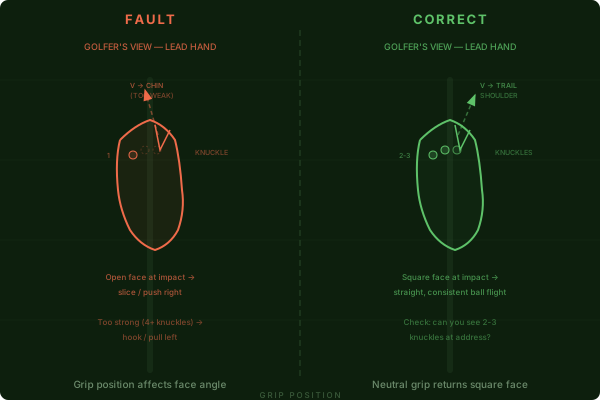
The hands are rotated too far to the left (for a right-handed golfer) on the club, promoting an open clubface at impact and a slice.
S-Posture

At address, the lower back is excessively arched and the pelvis is tilted forward, creating an S-shape in the spine when viewed from the side.
C-Posture

At address, the upper back is rounded and the shoulders slump forward, creating a C-shape in the spine when viewed from the side.
Strong Grip Mismatched

The lead hand is rotated too far to the right on the club (for a right-hander) — three or more knuckles visible at address — and the swing or release pattern produces hooks.
Backswing
15 faultsSway
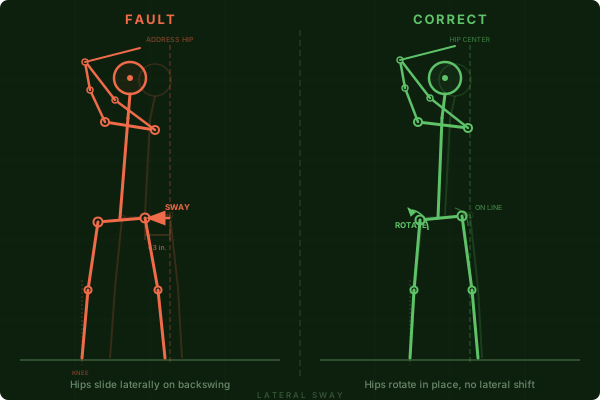
Lateral hip slide away from the target on the backswing instead of rotation, causing inconsistent low point.
Reverse Pivot
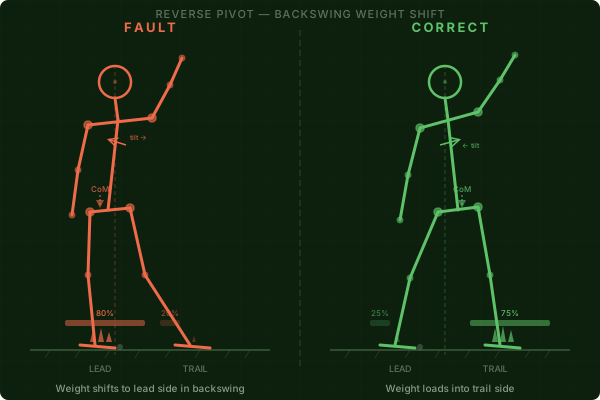
Weight shifts toward the target on the backswing and away on the downswing — opposite of correct sequencing.
Flat Shoulder Turn
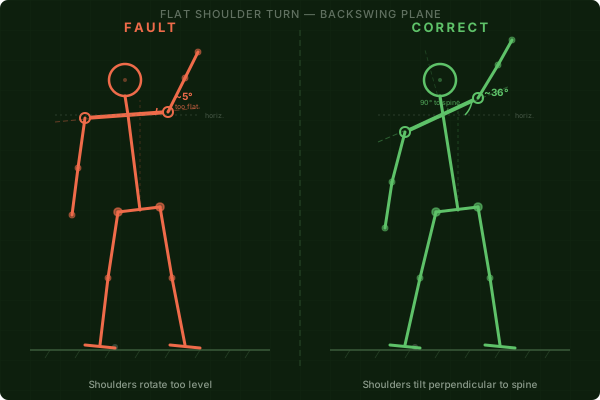
Shoulders rotate too level instead of tilting, leading to a shallow swing plane and inconsistent contact.
Swing Plane
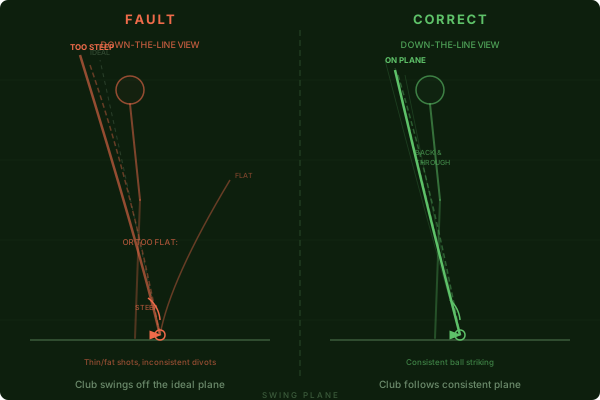
The club is swinging on too steep or too flat a plane relative to the ideal angle set at address, causing inconsistent contact.
Takeaway Inside

The clubhead tracks behind the hands during the first 18 inches of the backswing, dropping inside the target line and forcing a flat or compensatory swing plane.
Takeaway Outside

The clubhead tracks outside the target line in the first 18 inches of the backswing, typically caused by lifting with the arms and hands instead of turning the body.
Pickup Takeaway

The wrists hinge sharply in the first few feet of the backswing, lifting the club vertically before the body has begun to rotate.
Low X-Factor

The differential between shoulder rotation and hip rotation at the top of the backswing is too small.
Across the Line at Top

At the top of the backswing, the club shaft points to the right of the target line (for a right-handed player) instead of parallel to it.
Laid Off at Top

At the top of the backswing, the club shaft points to the left of the target line (for a right-handed player).
Cupped Lead Wrist at Top

At the top of the backswing, the lead wrist is in extension (cupped) instead of flat or slightly bowed.
Flying Elbow at Top

At the top of the backswing, the trail elbow flares away from the body — often pointing skyward or behind the player instead of down toward the ground.
Reverse Spine Angle

At the top of the backswing, the upper body tilts toward the target instead of staying centered or tilted away.
Quick Takeaway

The first 18 inches of the backswing happens too fast.
Under-Rotation in Backswing

The shoulders don't turn far enough at the top.
Downswing
9 faultsEarly Extension
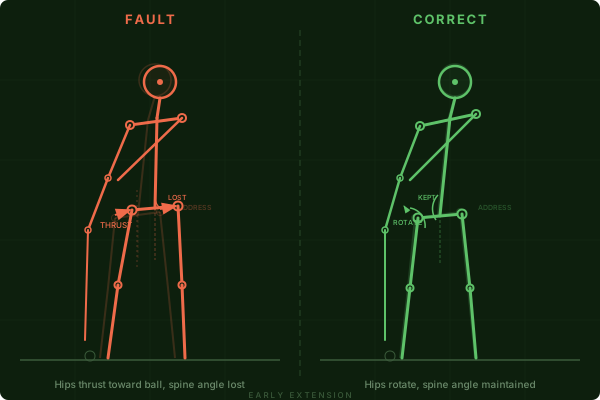
Hips thrust toward the ball during the downswing instead of rotating, causing thin and fat shots.
Over the Top
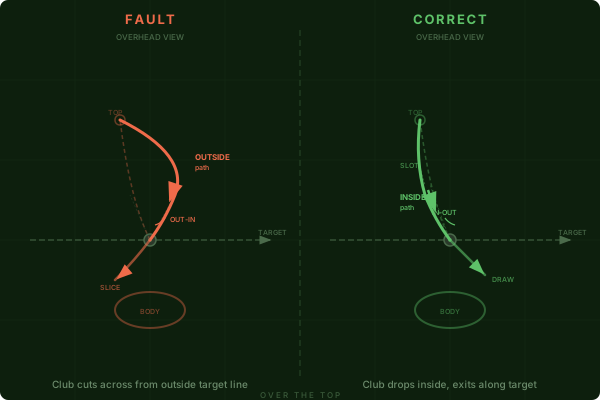
The club moves outside the target line on the downswing, producing pulls and slices.
Casting / Early Release
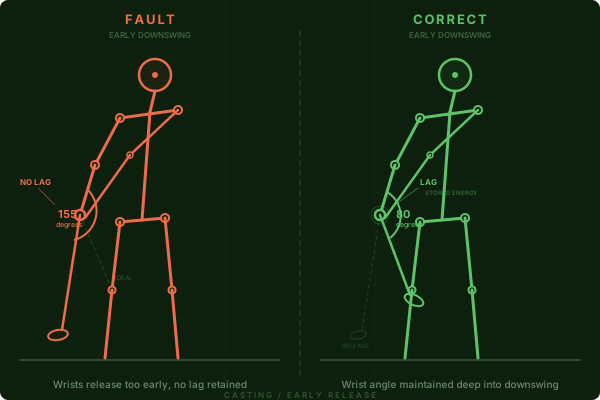
Releasing wrist hinge too early in the downswing, losing lag and power.
Slide
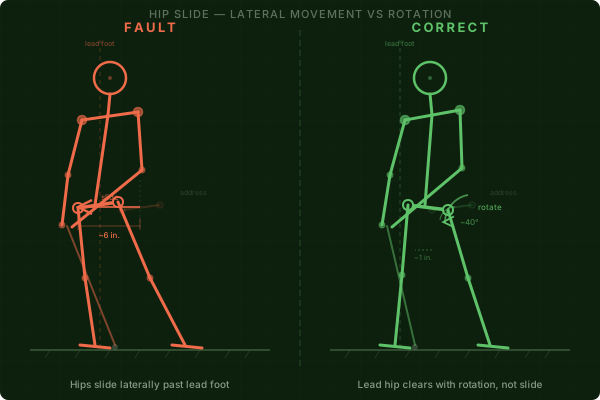
Excessive lateral hip movement toward the target on the downswing instead of rotation.
Poor Weight Transfer
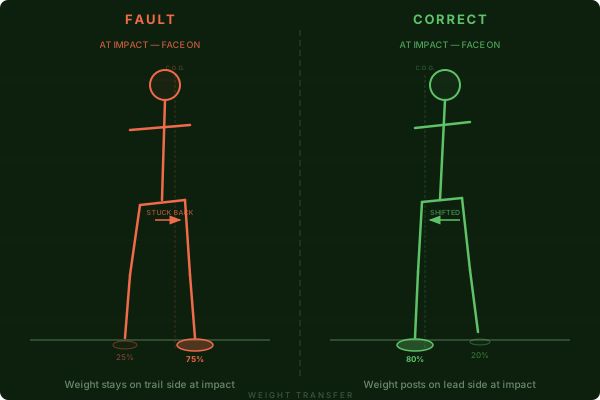
Weight stays on the trail foot through impact instead of transferring to the lead side, causing fat shots, thin contact, and loss of power.
Stuck Hips at Impact

The pelvis is under-rotated at the moment of impact — typically open less than 25 degrees when tour players average closer to 45.
Hanging Back

Through impact, weight stays on the trail foot instead of transferring to the lead side.
Steep Transition

From the top, the club drops on too steep an angle into the downswing.
Body Lift

Vertical rise during the downswing.
Impact
5 faultsHead Movement
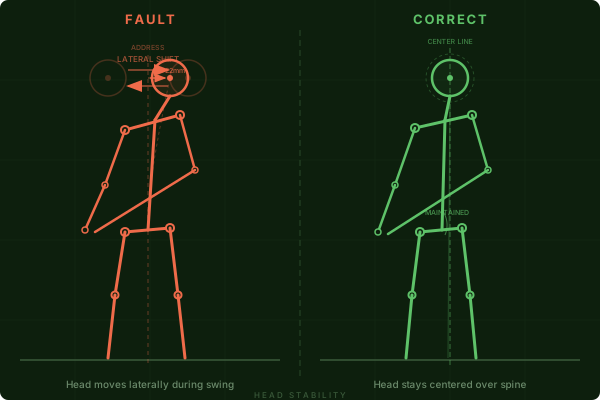
Excessive lateral or vertical head movement during the swing disrupts the swing center and leads to inconsistent contact.
Chicken Wing
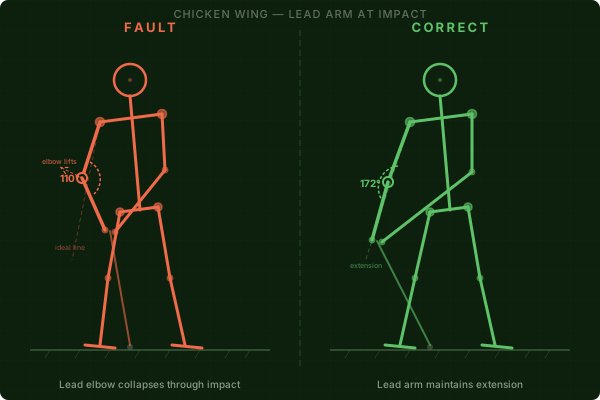
Lead arm bends and lifts through impact, causing loss of extension and inconsistent strikes.
Loss of Posture
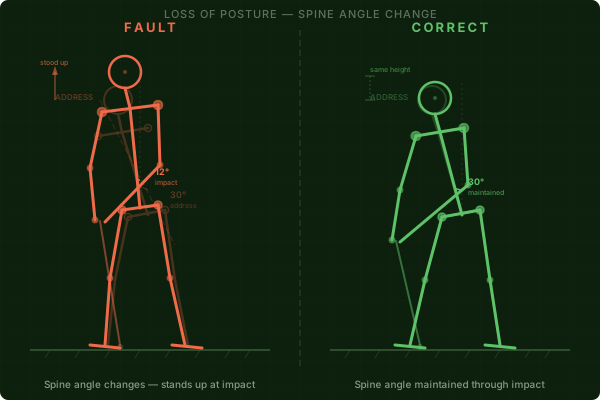
Standing up or changing spine angle during the swing, causing inconsistent contact and topped shots.
Open Clubface
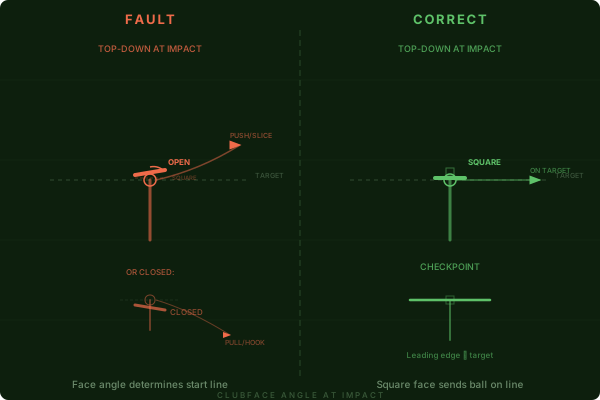
The clubface is not square to the target at impact — either open (pointing right) causing pushes/slices, or closed (pointing left) causing pulls/hooks.
Closed Clubface at Impact

At impact, the clubface points left of the target (for a right-hander).
Finish
2 faults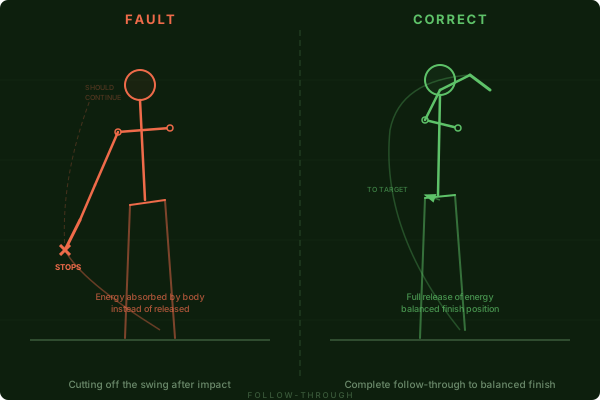

Short Game
1 fault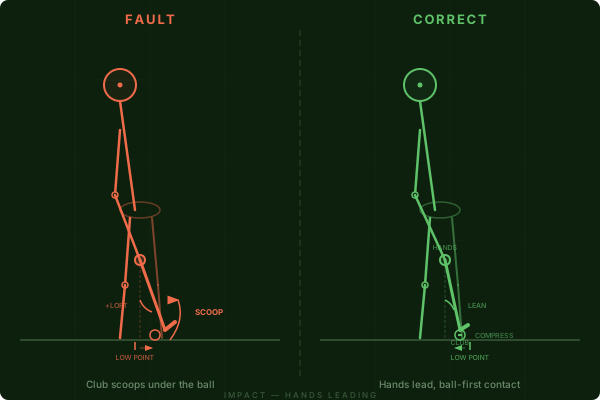
Putting
5 faultsDeceleration
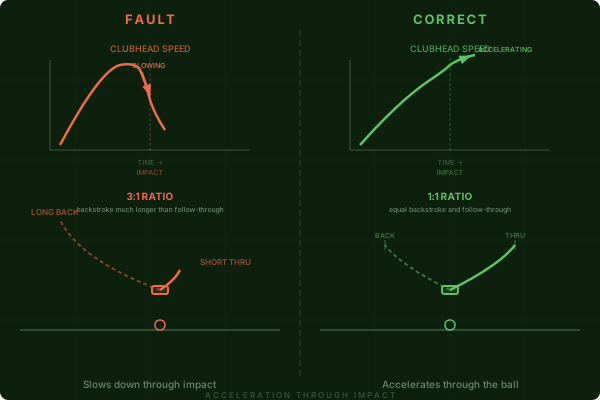
Slowing the club down through impact instead of accelerating, causing inconsistent distance control and weak contact.
Wrist Breakdown
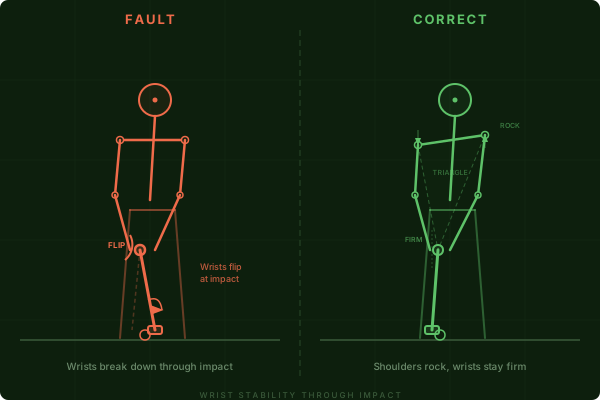
Wrists break down or flip through impact instead of staying firm, causing inconsistent face angle and poor distance control.
Inconsistent Tempo
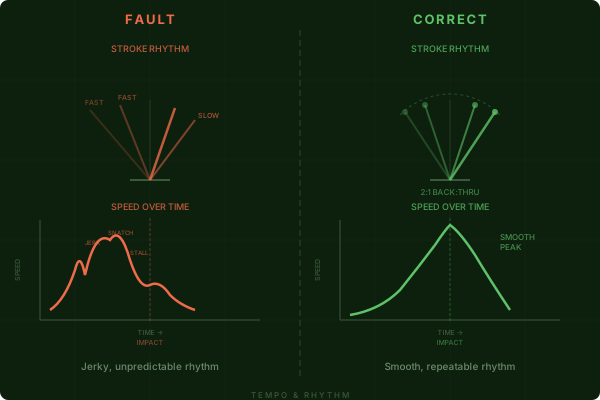
Jerky, uneven rhythm through the stroke with sudden speed changes, causing inconsistent contact and distance control.
Stroke Path Inconsistency
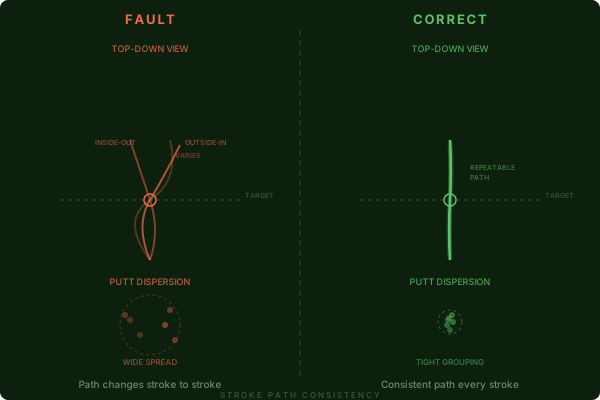
The putter or club follows a different path on each stroke — sometimes inside-out, sometimes outside-in — causing unpredictable start lines.
Eye Position
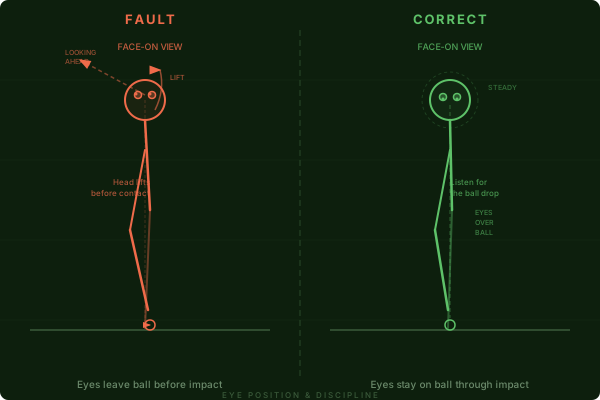
Eyes are not positioned over or just inside the ball at address, or the head lifts to look at the target before impact, pulling the stroke offline.