Deceleration: How to Fix Deceleration in Your Golf Swing
Putting·Reviewed April 20, 2026·By Coach Harvey - AI Golf Coach
Deceleration through impact kills distance control
Slowing the club down through impact instead of accelerating, causing inconsistent distance control and weak contact. To fix it: match backstroke length to the shot distance and accelerate smoothly through the ball. Follow-through should be equal to or longer than the backstroke.
Deceleration means slowing the club down through impact instead of accelerating. In putting and chipping, it produces weak contact, inconsistent distance, and putts that die before they reach the hole. In the full swing, it causes fat shots and loss of compression.
The root cause is almost always a backstroke or backswing that is too long for the shot. When the backswing is too big, the brain recognizes the danger of hitting the ball too far and applies the brakes. The deceleration is a survival mechanism — the body is protecting against a shot that would go way past the target.
The fix is counterintuitive: make the backstroke shorter and commit to accelerating through. A short backstroke with acceleration produces the same distance as a long backstroke with deceleration, but with far more consistent contact and direction.
Coach Harvey identifies deceleration automatically from your swing video and gives you one focused fix.
Analyze a swing →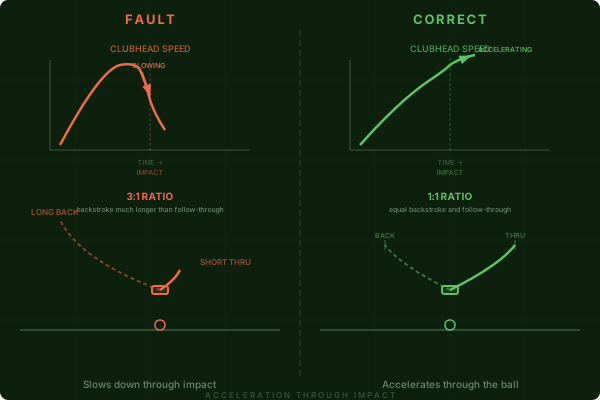
What Causes Deceleration
01Backstroke Too Long for the Distance
When the backstroke is longer than necessary for the distance required, the brain intervenes and slows the forward stroke to avoid over-hitting. This is an automatic response — you cannot override it with willpower because the self-preservation instinct is stronger than conscious intention.
The fix is matching the backstroke to the shot. For a 10-foot putt, the backstroke should be about the same length as the follow-through. If the backstroke is twice as long, deceleration is inevitable.
02Fear of Running Past the Hole
Fear of the comeback putt — hitting 4 feet past and having to make that one too — causes golfers to slow down through the ball. The irony is that a decelerating putt is worse than a firm one: it picks up imperfections in the green, is more affected by break, and dies before the hole.
The best approach: accept the 3-footer coming back and commit to the pace. A putt that reaches the hole with speed has a better chance of going in than one that dies at the front edge.
03Lack of Trust in the Stroke
Golfers who do not practice consistent stroke speed decelerate because they do not trust the motion. Without a reliable reference for how hard to swing for a given distance, every shot becomes a guess — and guessing leads to braking.
Building a metronome-based practice routine (backstroke on one beat, forward stroke on the next) creates the repeatable tempo that eliminates the guessing.
How to Fix Deceleration — Step by Step
Feel — Shorter Back, Longer Through
Practice putts where the follow-through is twice as long as the backstroke. This physically forces acceleration. The distance will feel wrong at first, but the contact quality improves immediately.
Train — Gate Drill with Commitment
Set two tees as a gate 2 feet past the hole. Every putt must go through the gate. This forces you to commit to pace and eliminates the deceleration instinct because the target is past the hole, not at it.
Load — Metronome Practice
Set a metronome to 76 bpm. Backstroke on one beat, forward stroke on the next. Hit 20 putts at the same tempo. The metronome eliminates hesitation because the beat dictates when you swing through.
Play — Speed Over Line
On the course, decide the pace of every putt before you address the ball. Your thought should be about speed, not line. A putt with correct speed and wrong line can still go in. A putt with correct line and wrong speed never does.
Do I Have Deceleration?
Answer these questions based on your most recent range session or video review.
Do your putts frequently die before reaching the hole?
Is your follow-through shorter than your backstroke?
Do you chunk or fat chip shots regularly?
Do you feel yourself slowing down before contact?
Drills
01Follow-Through Length Drill
- 1.Set up a 6-foot putt.
- 2.Make a backstroke about 4 inches long.
- 3.The follow-through must be at least 8 inches — twice the backstroke.
- 4.Do not worry about making the putt. Focus only on the follow-through being longer.
- 5.After 10 putts at 6 feet, move to 10 feet and adjust backstroke length (not follow-through commitment).
Acceleration through the ball. The putter should be speeding up at contact, not slowing down.
Lengthening the backstroke to match the follow-through. The backstroke should stay short — only the follow-through gets longer.
02Past the Hole Drill
- 1.Place two tees as a gate 18 inches past the hole.
- 2.Every putt must either go in or roll through the gate.
- 3.If the putt stops short of the hole, the backstroke was too long or you decelerated.
- 4.This drill resets your mental calibration — the target becomes past the hole, not at it.
- 5.After 20 putts, remove the gate and try to keep the same committed pace.
Confidence in the pace. You are not trying to die the ball in — you are hitting it with authority through the break.
Increasing backstroke length to reach the gate. Keep the backstroke the same and increase acceleration instead. That is the whole point.
03Metronome Tempo Drill
- 1.Set a metronome app to 76 bpm.
- 2.Address the ball. On beat one, start the backstroke. On beat two, start the forward stroke.
- 3.Hit 5 putts from 5 feet, 5 from 10 feet, 5 from 15 feet, and 5 from 20 feet.
- 4.Adjust backstroke length for distance — NOT stroke speed. The tempo stays constant.
- 5.This trains you to control distance with backstroke length rather than deceleration.
A pendulum-like rhythm. The tempo is the same for every distance — only the length changes.
Changing the tempo for different distances. Long putts use a longer backstroke at the same speed, not a faster stroke.
04Chip Commit Drill
- 1.Pick a target 15 yards away.
- 2.Make a small backswing — hands only go to hip height.
- 3.Accelerate through the ball and finish with hands at chest height.
- 4.The follow-through must be longer than the backswing.
- 5.If the ball goes too far, shorten the backswing — do not slow down the forward swing.
Crisp, compressed contact. The ball pops off the face cleanly because you are accelerating, not decelerating.
Quitting on the shot to control distance. Distance control comes from backstroke length, not from braking through impact.
Or enter your email and we will send you a formatted PDF with all 4 drills.
We will email you the PDF link. No spam, ever.
Deceleration — Drill Card
coachharvey.ai/faults/deceleration
1. Follow-Through Length Drill
Equipment: Putter, 3 balls · Reps: 30 putts from 6-10 feet
- Set up a 6-foot putt.
- Make a backstroke about 4 inches long.
- The follow-through must be at least 8 inches — twice the backstroke.
- Do not worry about making the putt. Focus only on the follow-through being longer.
- After 10 putts at 6 feet, move to 10 feet and adjust backstroke length (not follow-through commitment).
Feel: Acceleration through the ball. The putter should be speeding up at contact, not slowing down.
Avoid: Lengthening the backstroke to match the follow-through. The backstroke should stay short — only the follow-through gets longer.
2. Past the Hole Drill
Equipment: Putter, tees for gate · Reps: 20 putts
- Place two tees as a gate 18 inches past the hole.
- Every putt must either go in or roll through the gate.
- If the putt stops short of the hole, the backstroke was too long or you decelerated.
- This drill resets your mental calibration — the target becomes past the hole, not at it.
- After 20 putts, remove the gate and try to keep the same committed pace.
Feel: Confidence in the pace. You are not trying to die the ball in — you are hitting it with authority through the break.
Avoid: Increasing backstroke length to reach the gate. Keep the backstroke the same and increase acceleration instead. That is the whole point.
3. Metronome Tempo Drill
Equipment: Metronome app (76 bpm), putter · Reps: 20 putts at various distances
- Set a metronome app to 76 bpm.
- Address the ball. On beat one, start the backstroke. On beat two, start the forward stroke.
- Hit 5 putts from 5 feet, 5 from 10 feet, 5 from 15 feet, and 5 from 20 feet.
- Adjust backstroke length for distance — NOT stroke speed. The tempo stays constant.
- This trains you to control distance with backstroke length rather than deceleration.
Feel: A pendulum-like rhythm. The tempo is the same for every distance — only the length changes.
Avoid: Changing the tempo for different distances. Long putts use a longer backstroke at the same speed, not a faster stroke.
4. Chip Commit Drill
Equipment: Pitching wedge, range balls · Reps: 20 chips to a target
- Pick a target 15 yards away.
- Make a small backswing — hands only go to hip height.
- Accelerate through the ball and finish with hands at chest height.
- The follow-through must be longer than the backswing.
- If the ball goes too far, shorten the backswing — do not slow down the forward swing.
Feel: Crisp, compressed contact. The ball pops off the face cleanly because you are accelerating, not decelerating.
Avoid: Quitting on the shot to control distance. Distance control comes from backstroke length, not from braking through impact.
Common Misdiagnoses
You think it is deceleration, but it might be wrist breakdown
Wrist breakdown and deceleration can feel similar — both produce weak contact. If your wrists flip at impact, the weak contact is from face angle change, not from speed loss. Film the stroke: if the putter head passes your hands before impact, it is wrist breakdown. If your hands slow down but stay ahead of the putter, it is deceleration.
Read about Wrist Breakdown →You think it is deceleration, but it might be an abbreviated follow-through
Abbreviated follow-through is the result; deceleration is one possible cause. But you can also have a short follow-through from quitting on the shot mentally without actually slowing the club. Check your backstroke length — if it is appropriate for the distance but the follow-through is still short, it may be a mental commitment issue rather than physical deceleration.
Read about Abbreviated Follow-Through →How You Know It’s Fixed
Backstroke and follow-through are matched, distance control improves, and short putts stop dying at the hole.
Frequently Asked Questions
Why do I decelerate when putting?
The most common reason is a backstroke that is too long for the distance. When the backstroke overshoots, the brain applies the brakes to avoid hitting the ball too far. The fix is making a shorter backstroke and committing to acceleration through the ball.
Can deceleration cause fat chip shots?
Yes. When you decelerate into a chip, the club loses speed and the low point moves behind the ball. The club digs into the ground before reaching the ball, producing a fat shot. Committed acceleration moves the low point forward, where it belongs.
How do I stop decelerating under pressure?
Build a routine: decide the pace before you address the ball, take one look at the target, and go. The longer you stand over the ball, the more time your brain has to introduce doubt. A shorter pre-shot routine reduces the window for deceleration.
Should I always hit putts past the hole?
As a training principle, yes — putts that do not reach the hole have zero chance of going in. In practice, aim for the ball to die 12-18 inches past the hole if it misses. This pace gives the ball the best chance of holding its line and dropping in.
Practice This Fault
Structured plans and routines that specifically target deceleration.
Related Faults
These flaws often appear alongside deceleration and may share a root cause.
Find out if deceleration is affecting your game
Upload a swing. Coach Harvey reads every frame, calls the fault driving everything else, and remembers the session for the next answer.
Analyze a swing →