University Of Minnesota, Les Bolstad Golf Course is an 18-hole golf course in St. Paul, MN with a par of 71. It offers 3 tee sets: maroon (6,259 yards, slope 126, rating 70.4), white (6,059 yards, slope 123, rating 69.3), gold (5,411 yards, slope 117, rating 66.3). The hardest hole is #12, a par 4 playing 351 yards from the first tee.
University Of Minnesota, Les Bolstad Golf Course
St. Paul, MN
Get PDF Yardage Book
We'll email you the PDF link. No spam, ever.
Create Your Game Plan
Pick your tees, enter your bag, and get a personalized shot-by-shot strategy for every hole.
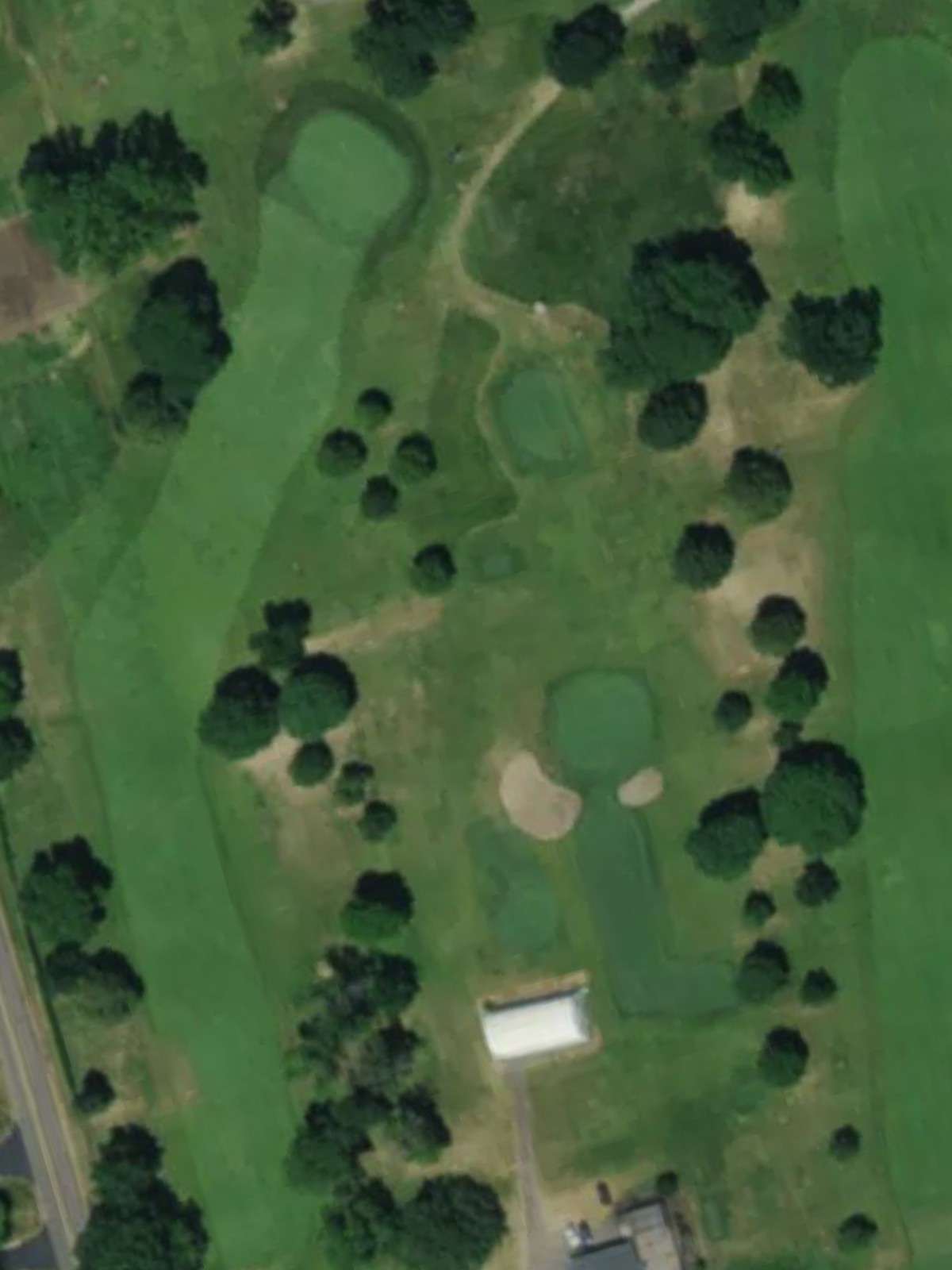
A straightforward opening par 4 with a relatively open fairway. The green is protected by bunkers on the right side, making accuracy off the tee important for a clear approach.
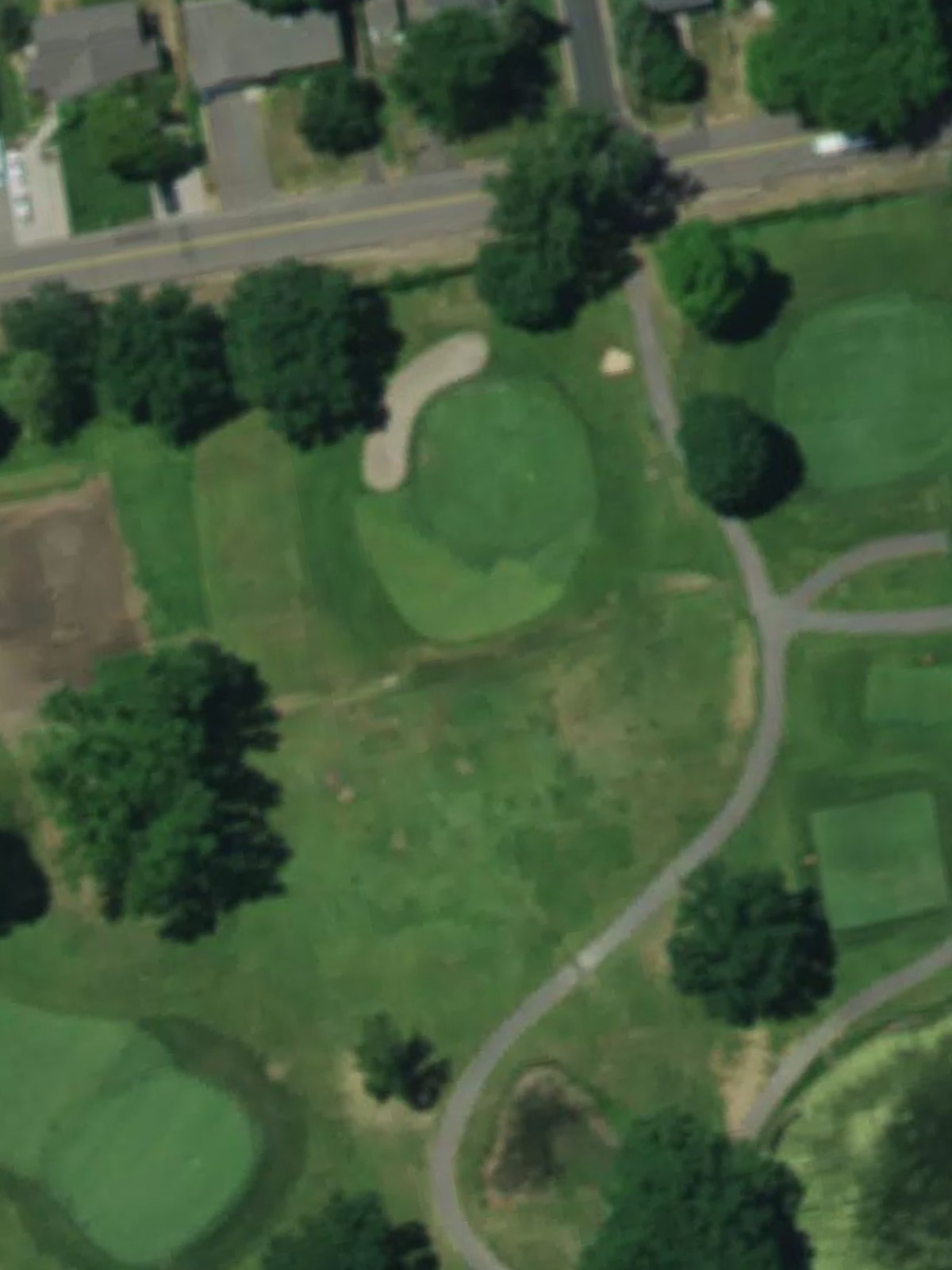
A short par 3 with a well-defined target green. Water or hazards may frame the hole, requiring a precise mid-iron or short iron to find the putting surface.
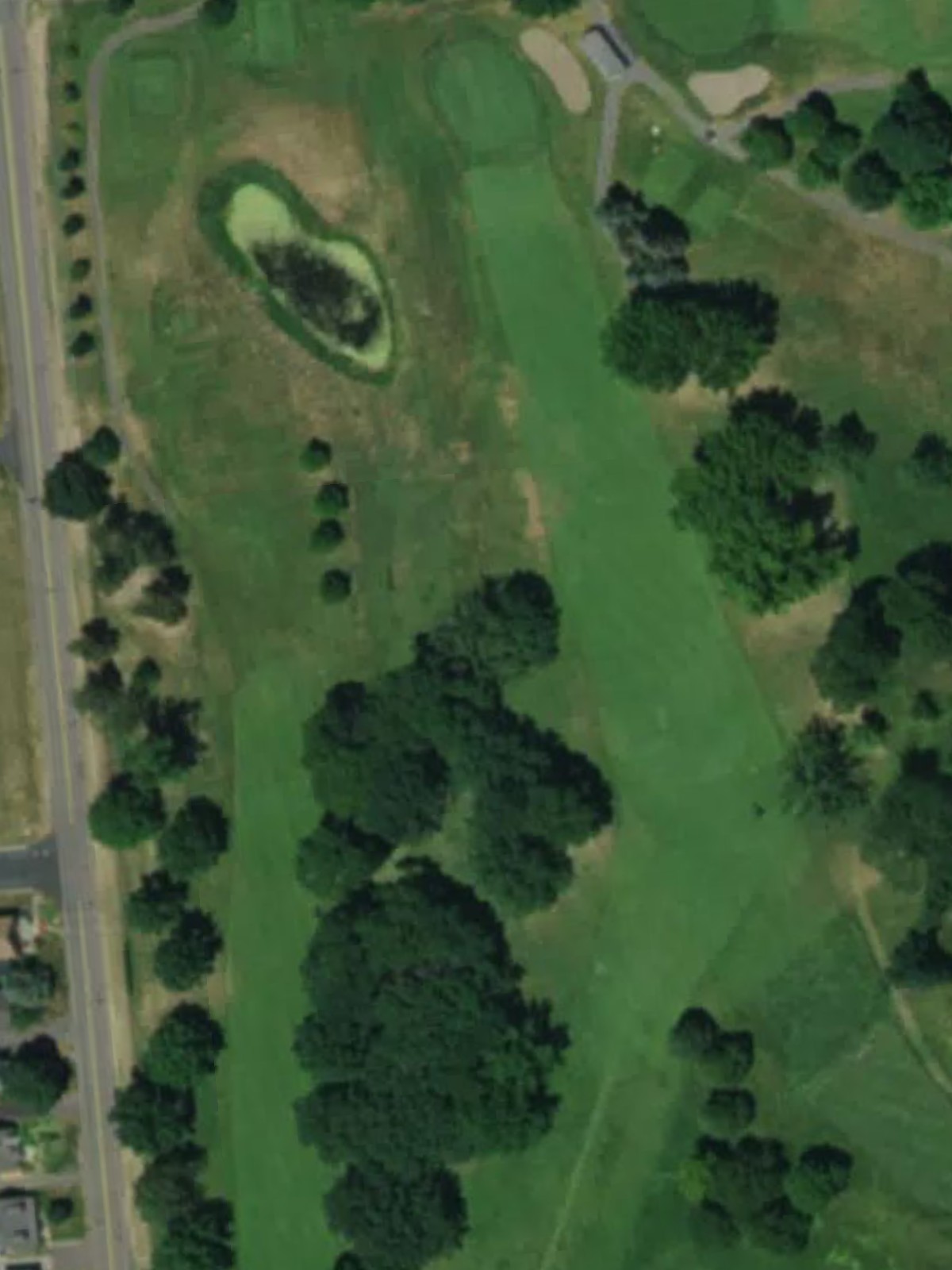
A moderate par 4 with a slightly dogleg character. Strategic bunkering around the green and potentially along the fairway creates an interesting risk-reward proposition for the approach shot.
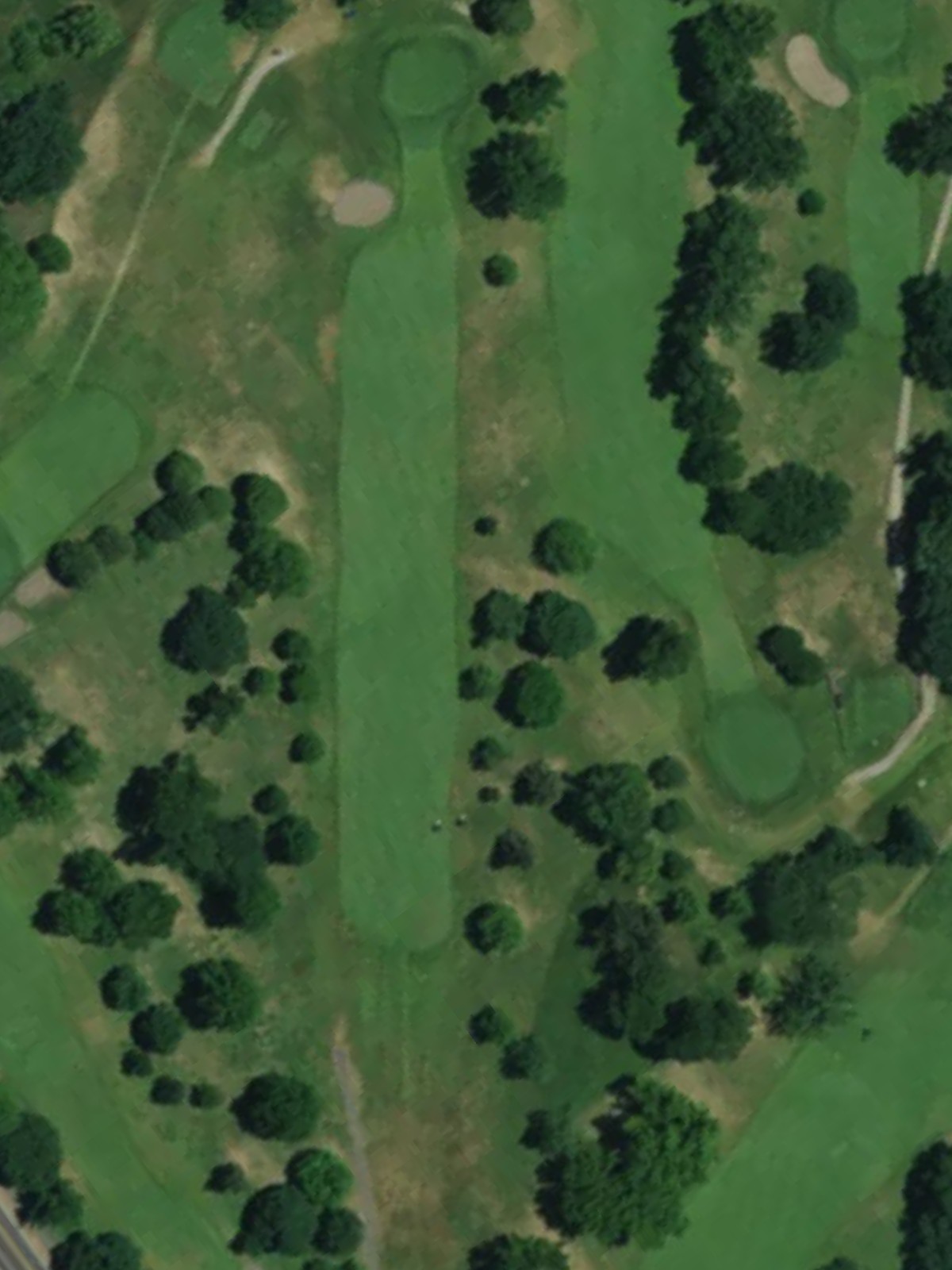
The course's most difficult par 4, demanding accuracy from tee to green. Tight fairway conditions and well-positioned hazards—likely bunkers or water—make this hole a stern test of shot-making.
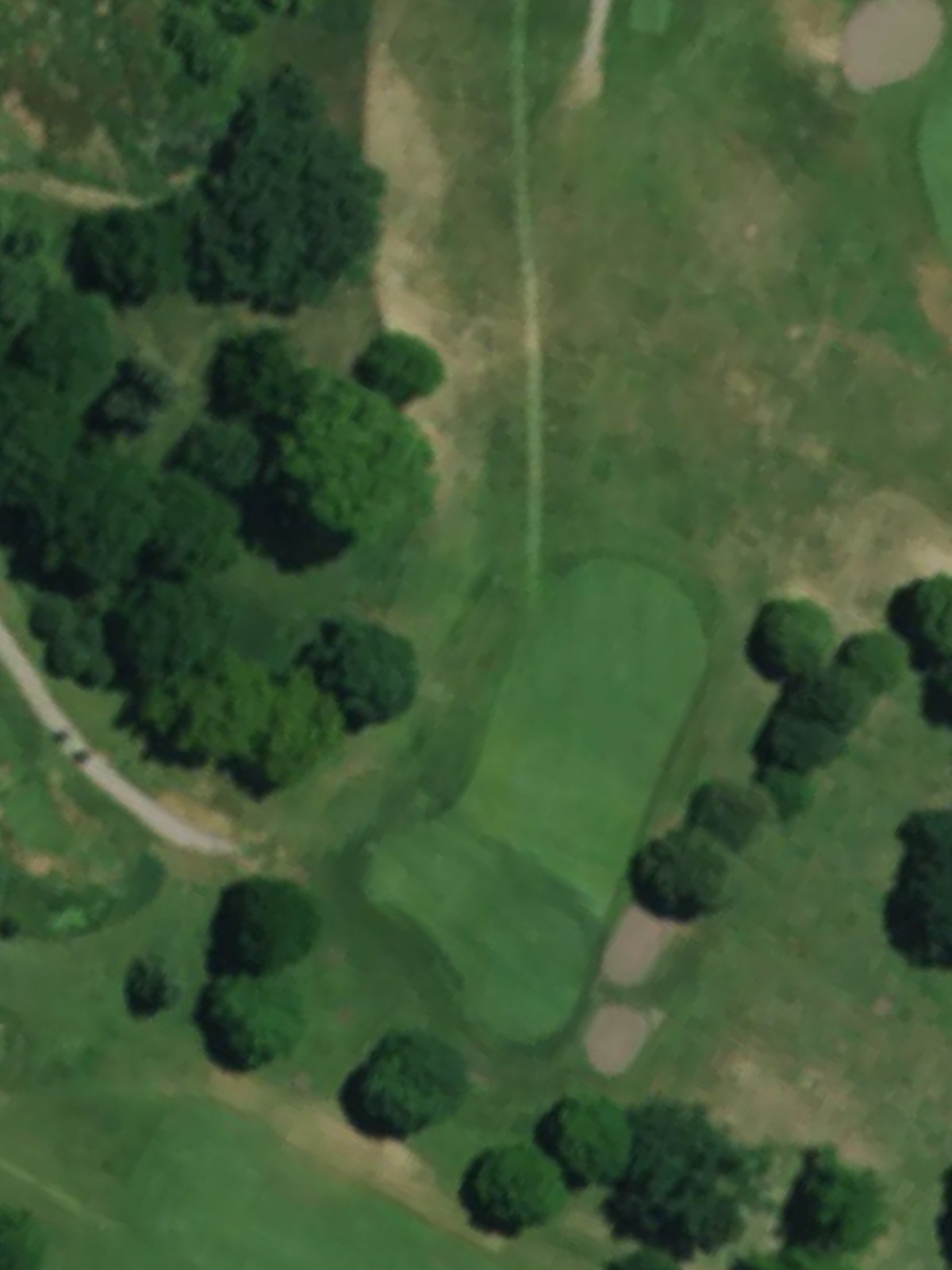
A short par 3 with a forgiving layout and generous green. This is one of the course's more approachable par 3s, offering a birdie opportunity despite its modest length.
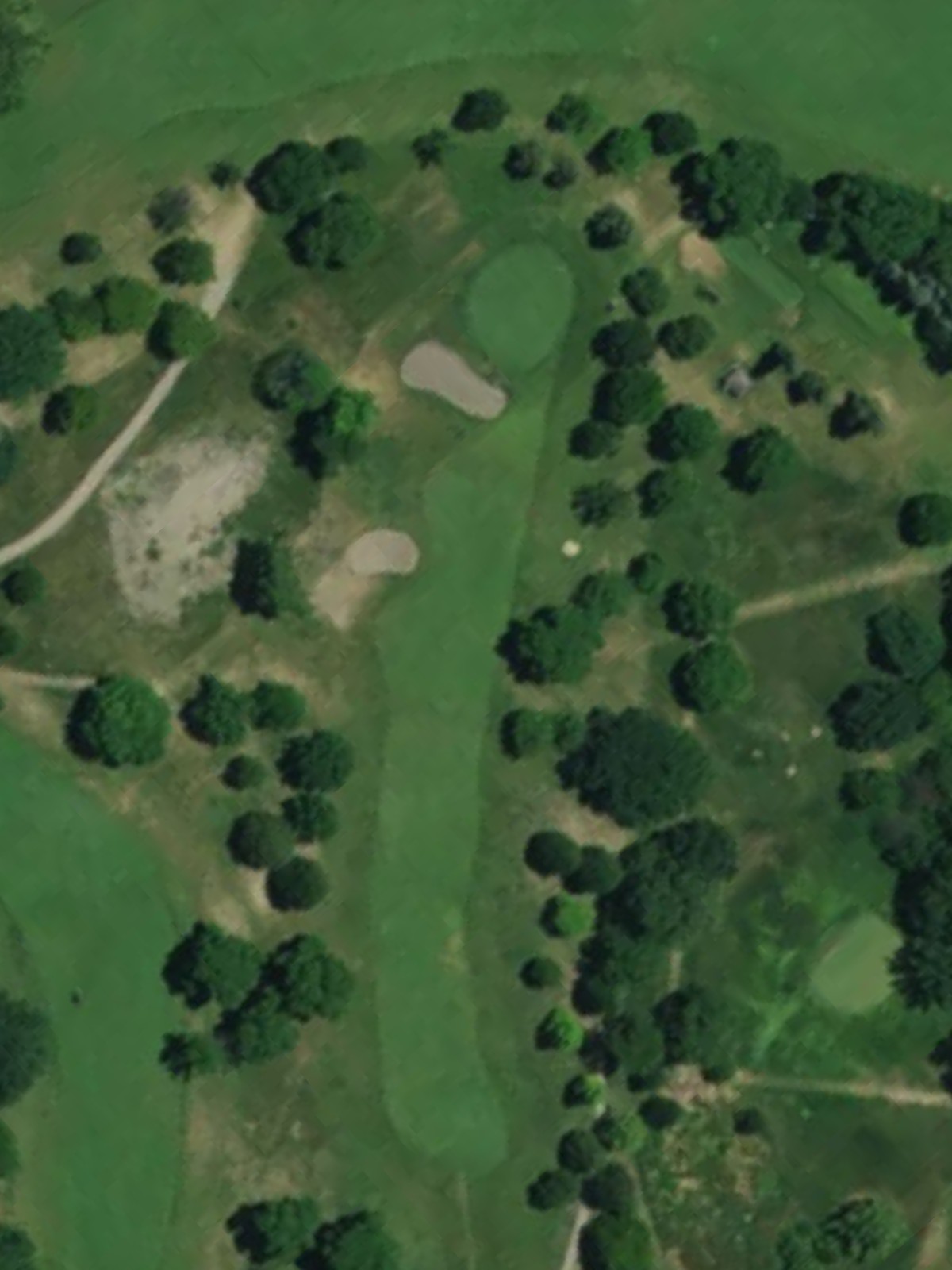
A short par 4 that rewards aggressive play off the tee. The brevity of the hole makes it reachable for longer hitters, though hazards protecting the green demand a solid approach regardless of drive length.
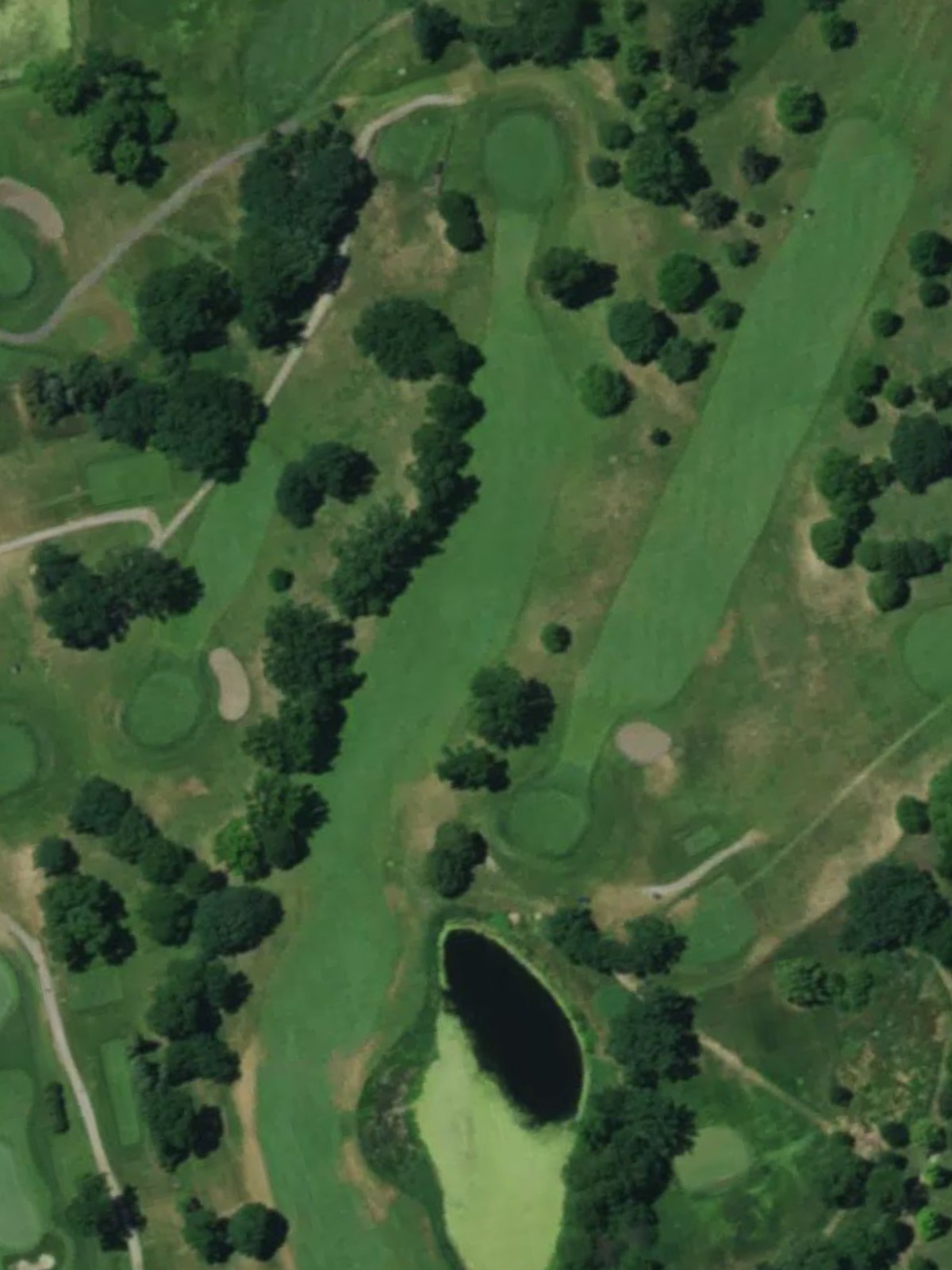
A mid-length par 5 with a clear fairway corridor. Bunkers or water hazards likely guard the approach area, and the green's depth tests how players manage their layup or second shots.
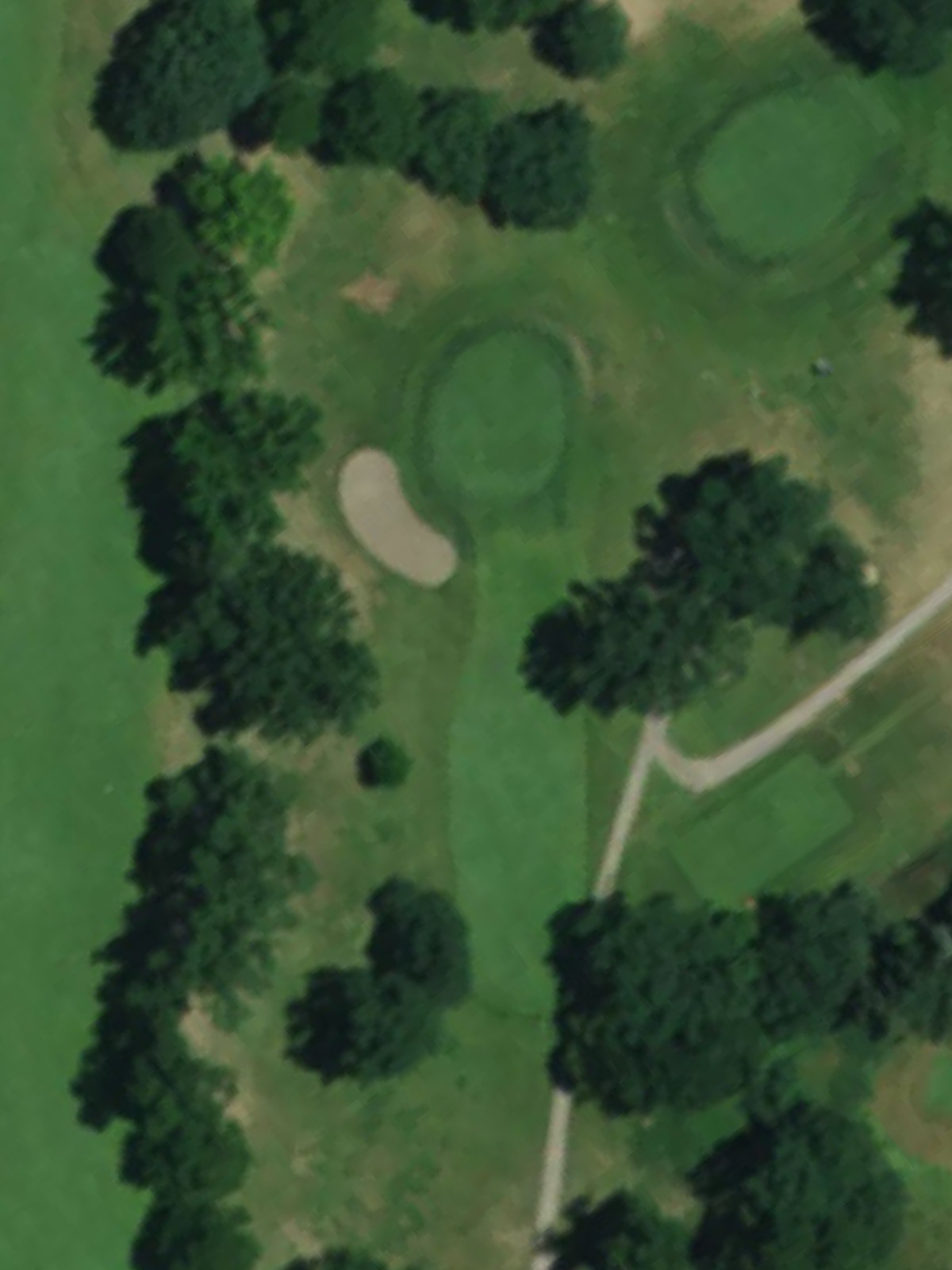
A mid-range par 3 with a well-bunkered or water-surrounded green. The hole's length and positioning of hazards create a meaningful mid-iron challenge that won't easily give up birdies.
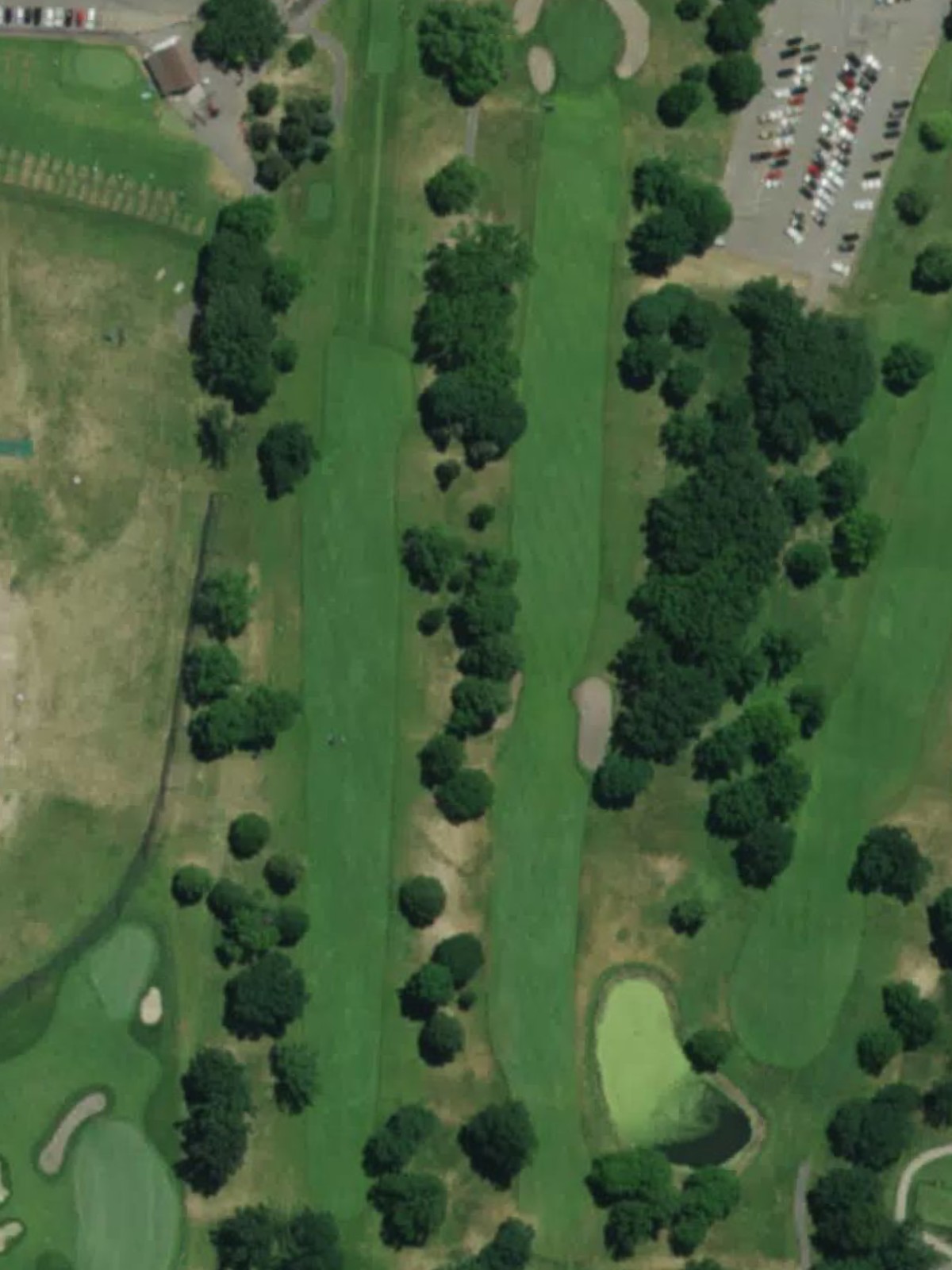
A par 5 that stretches across the course with potential doglegs or water hazards. The three-shot nature of this hole, combined with strategic bunkering, rewards smart decision-making and placement over pure distance.
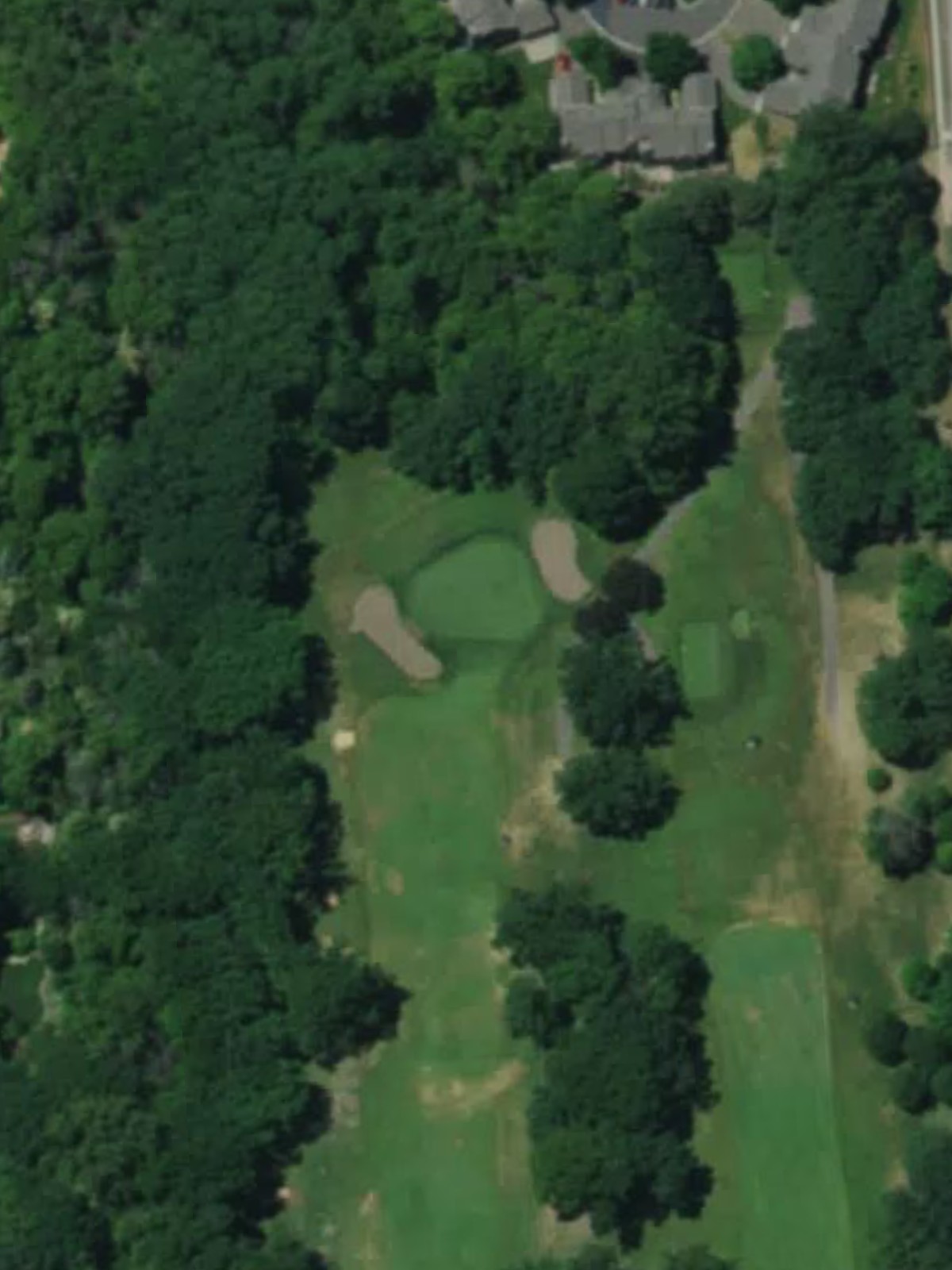
A short par 4 designed to give players an early scoring opportunity on the back nine. The compact yardage invites aggressive play, though hazards near the green or tightness in the fairway preserve the challenge.
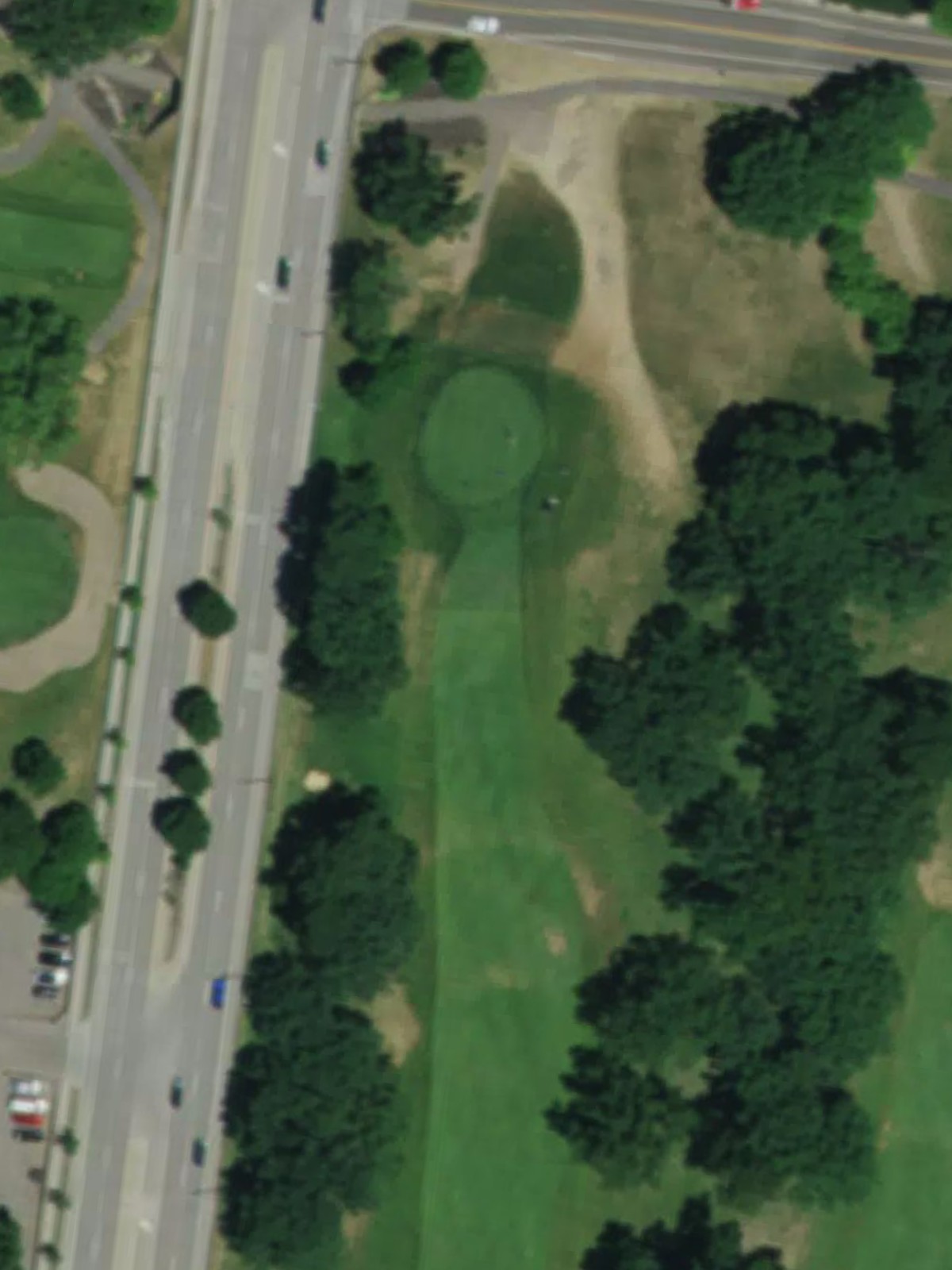
A par 4 with an interesting offset in yardage between tees, suggesting a dogleg or severe bends in the fairway. Water or out-of-bounds likely dictates a specific line off the tee to set up an optimal approach.
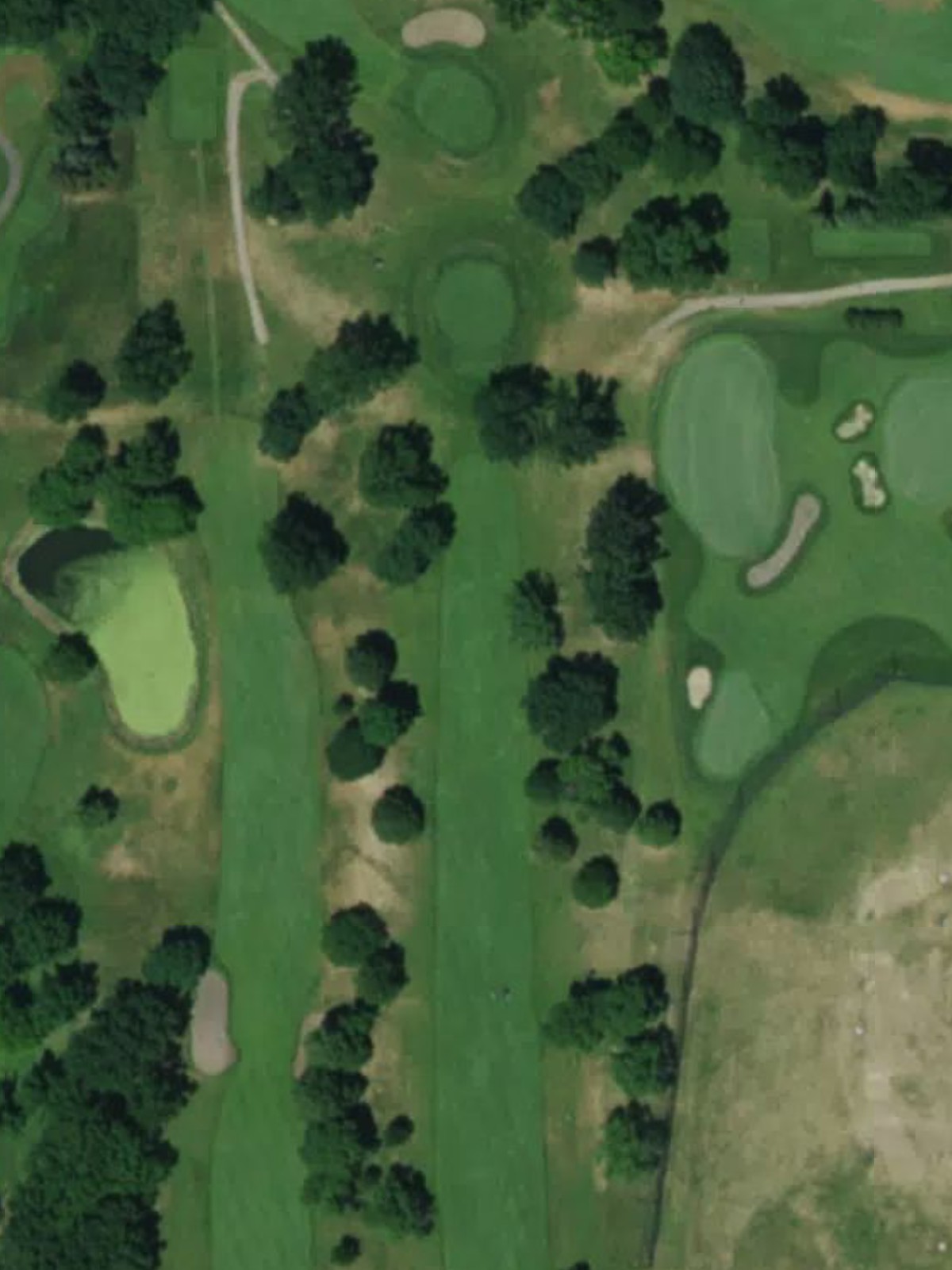
The course's hardest par 4 and overall toughest hole, requiring precision and power over a full length. Strategic hazards—bunkers, water, or OB—are positioned to penalize poor tee shots and test the approach game.
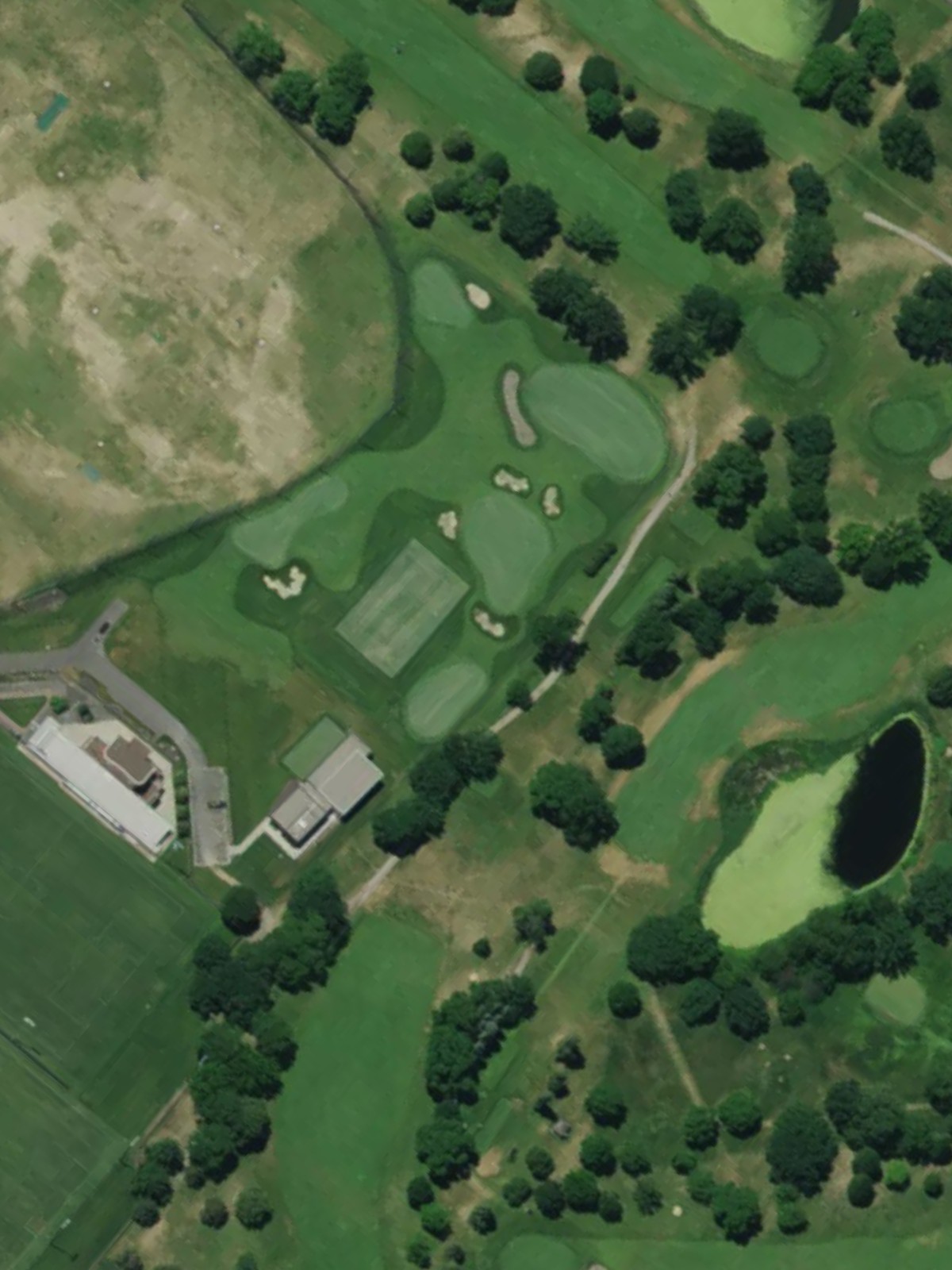
A long par 5 with significant yardage separating the tees. The hole likely features multiple hazards strategically placed to challenge both aggressive three-shot and two-shot attempts at this challenging risk-reward hole.
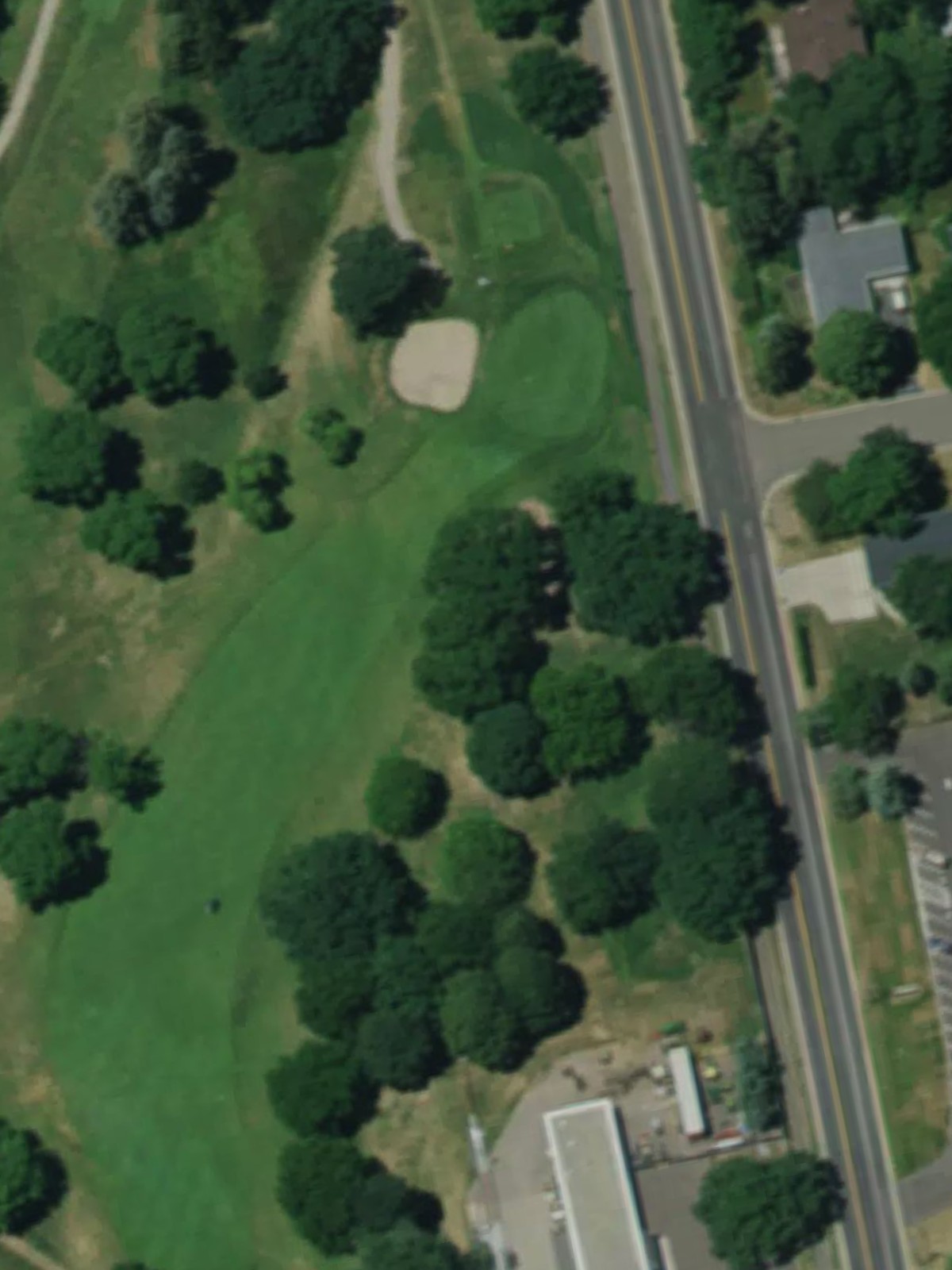
A short par 4 that offers a scoring opportunity for steady play. Despite its modest length, strategic bunkering or water hazards near the green ensure that accuracy remains as important as distance off the tee.
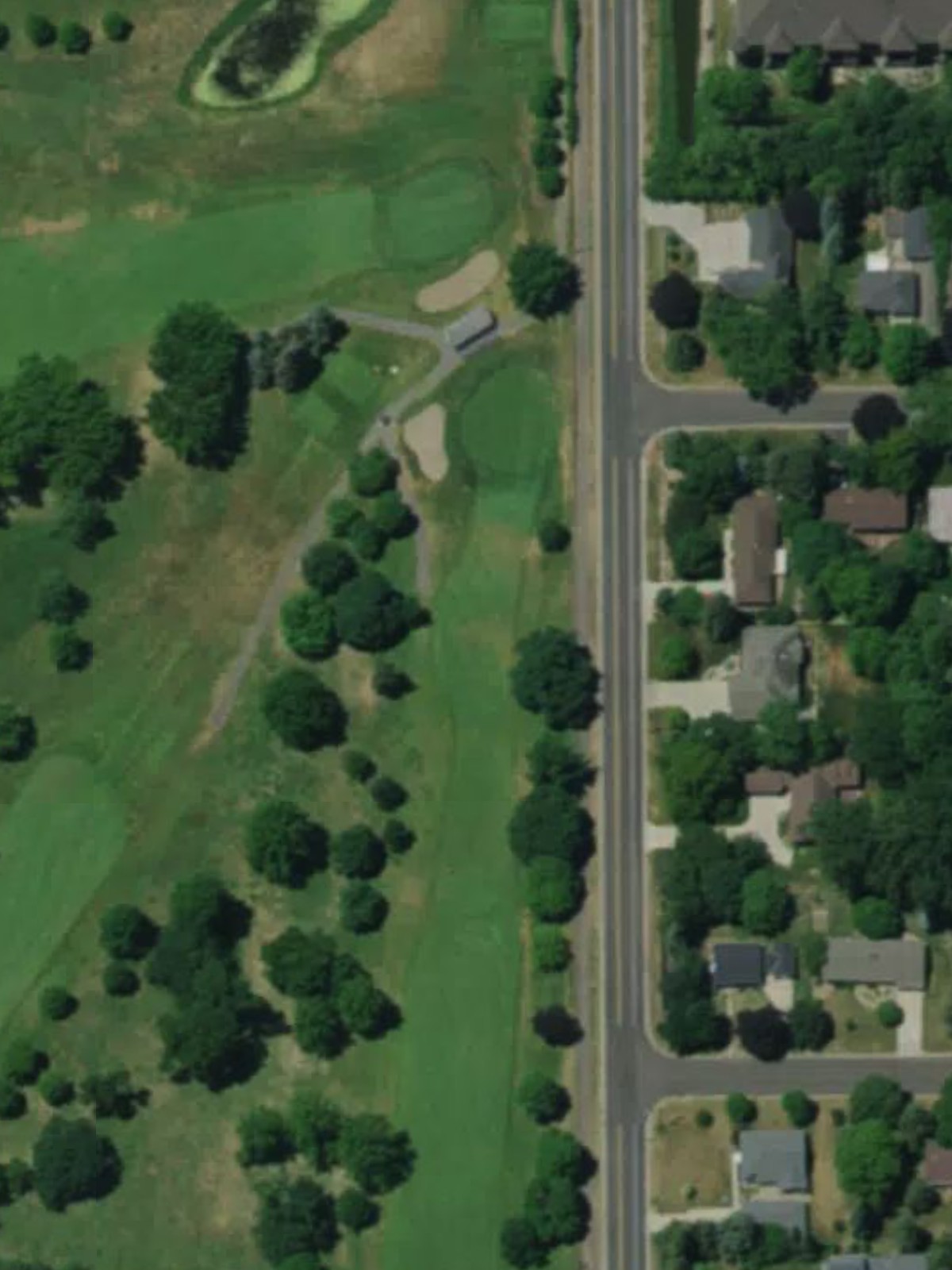
A demanding par 4 with considerable yardage variance between tees, suggesting a doglegs or sharply bending fairway. Hazards are positioned to make both the drive and approach critically important to scoring well.
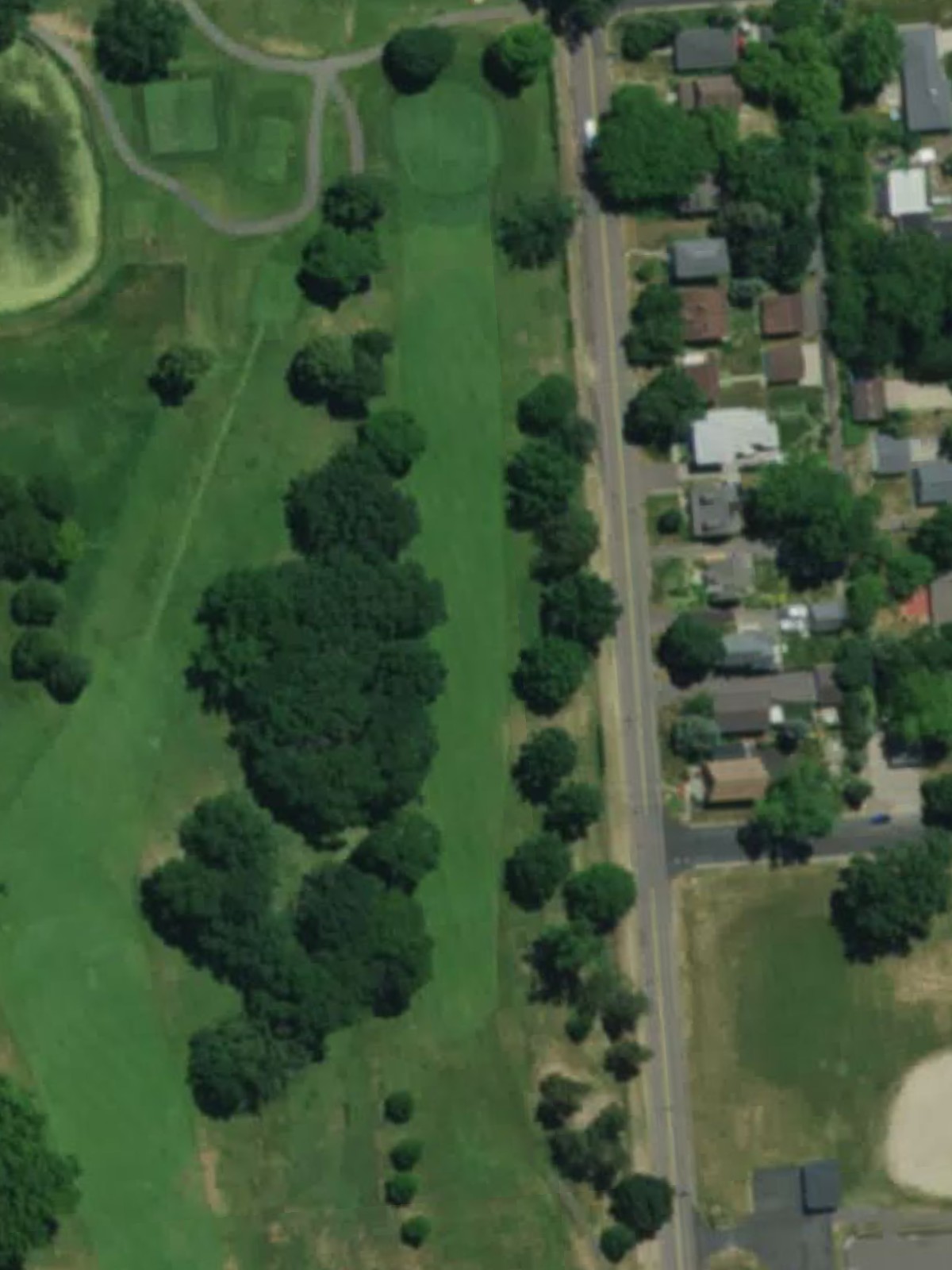
A solid par 4 with steady yardage and strategic bunkering throughout the hole. The combination of length and hazard placement creates a well-balanced mid-range challenge that tests all aspects of the short game.
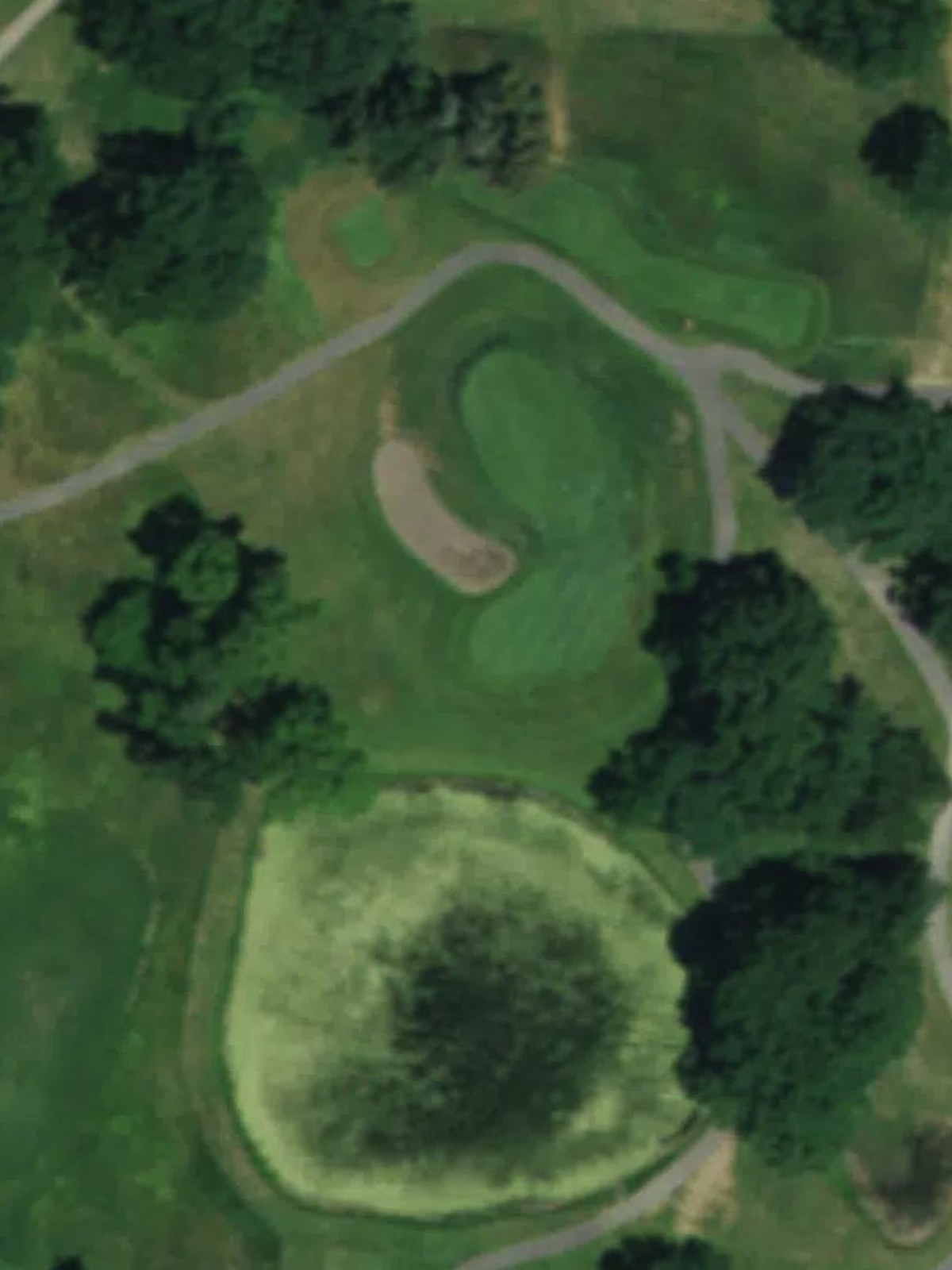
A short par 3 with a relatively compact green. The brevity of this hole makes it a birdie opportunity, though careful club selection is needed to avoid greenside hazards or overshooting the small target.
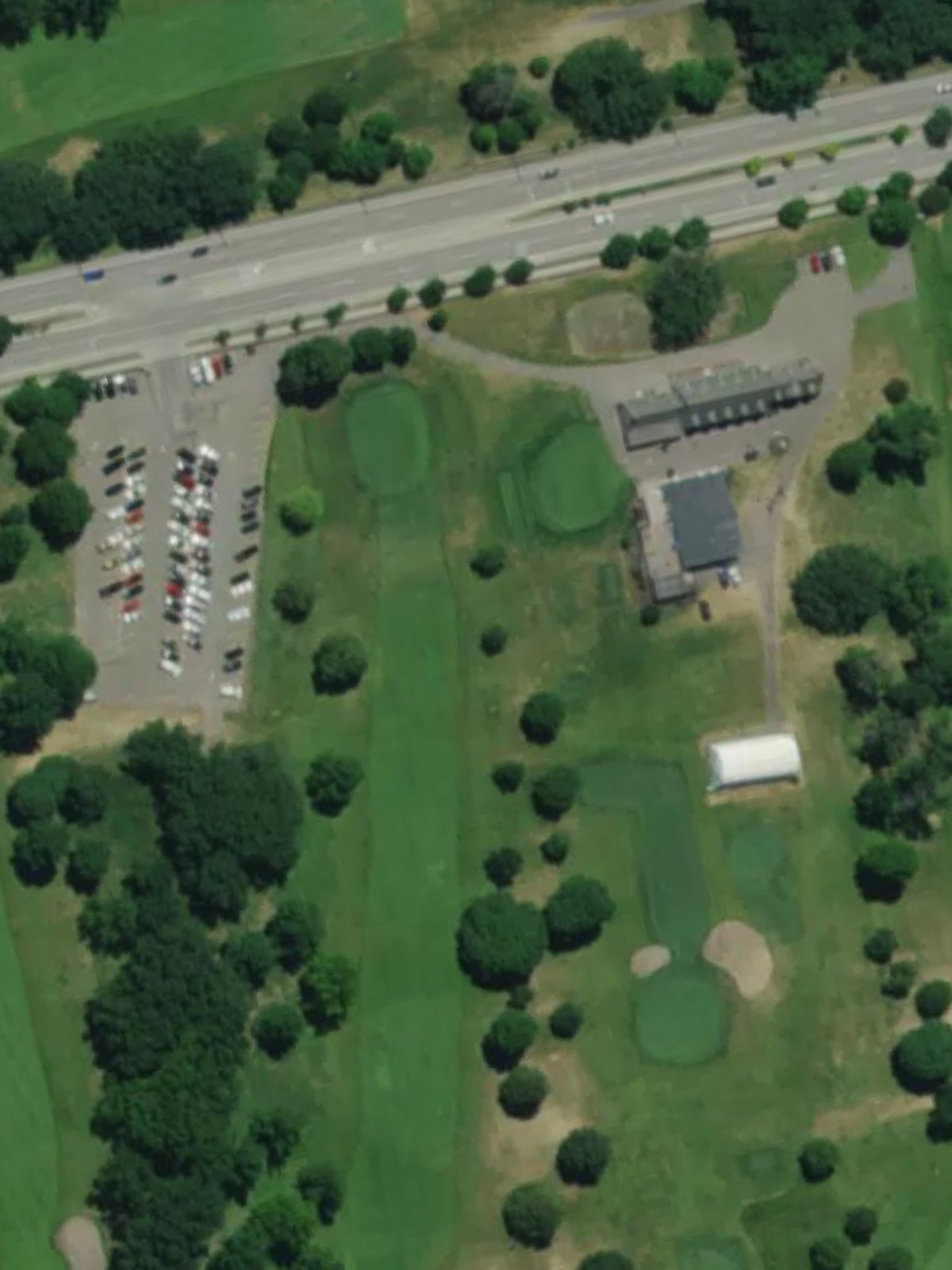
A finishing par 4 with enough length to provide a meaningful conclusion to the round. Water, bunkers, or out-of-bounds—likely guarding one or both sides of the fairway or green—make a composed finish essential.
Scorecard
| Hole | 1 | 2 | 3 | 4 | 5 | 6 | 7 | 8 | 9 | Out | 10 | 11 | 12 | 13 | 14 | 15 | 16 | 17 | 18 | In | Tot |
|---|---|---|---|---|---|---|---|---|---|---|---|---|---|---|---|---|---|---|---|---|---|
| Par | 4 | 3 | 4 | 4 | 3 | 4 | 5 | 3 | 5 | 35 | 4 | 4 | 4 | 5 | 4 | 4 | 4 | 3 | 4 | 36 | 71 |
| HCP | 4 | 10 | 6 | 2 | 16 | 18 | 12 | 8 | 14 | 11 | 13 | 1 | 9 | 17 | 3 | 5 | 15 | 7 | |||
| maroon | 370 | 190 | 386 | 359 | 167 | 326 | 476 | 195 | 480 | 2949 | 344 | 356 | 417 | 536 | 310 | 390 | 377 | 145 | 435 | 3310 | 6259 |
| white | 363 | 175 | 370 | 355 | 159 | 306 | 464 | 185 | 472 | 2849 | 339 | 347 | 411 | 525 | 280 | 390 | 374 | 135 | 409 | 3210 | 6059 |
| gold | 345 | 140 | 352 | 340 | 135 | 294 | 450 | 178 | 444 | 2678 | 281 | 268 | 351 | 430 | 268 | 305 | 314 | 120 | 396 | 2733 | 5411 |