Stillwater Oaks Golf Course is an 18-hole golf course in Stillwater, MN with a par of 70. It offers 2 tee sets: blue (6,262 yards, slope 132, rating 70.8), white (5,777 yards, slope 129, rating 68.2). The hardest hole is #7, a par 5 playing 562 yards from the first tee.
Stillwater Oaks Golf Course
Stillwater, MN
Get PDF Yardage Book
We'll email you the PDF link. No spam, ever.
Create Your Game Plan
Pick your tees, enter your bag, and get a personalized shot-by-shot strategy for every hole.
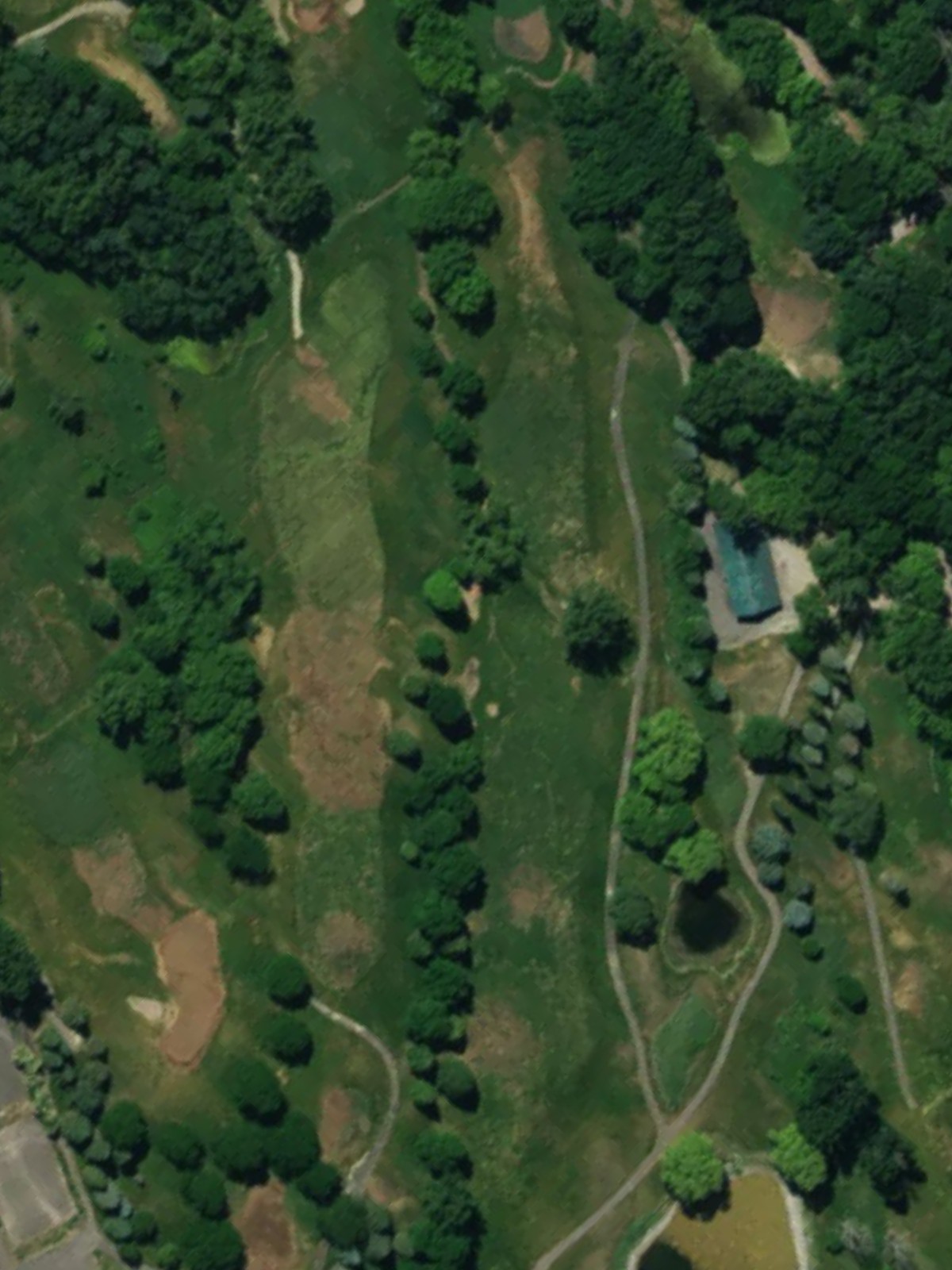
A welcoming opening par 5 that plays relatively straight with a fairway that gradually narrows as it approaches the green. Strategic positioning off the tee is important, as the approach shot requires careful navigation to avoid missing the green on either side.
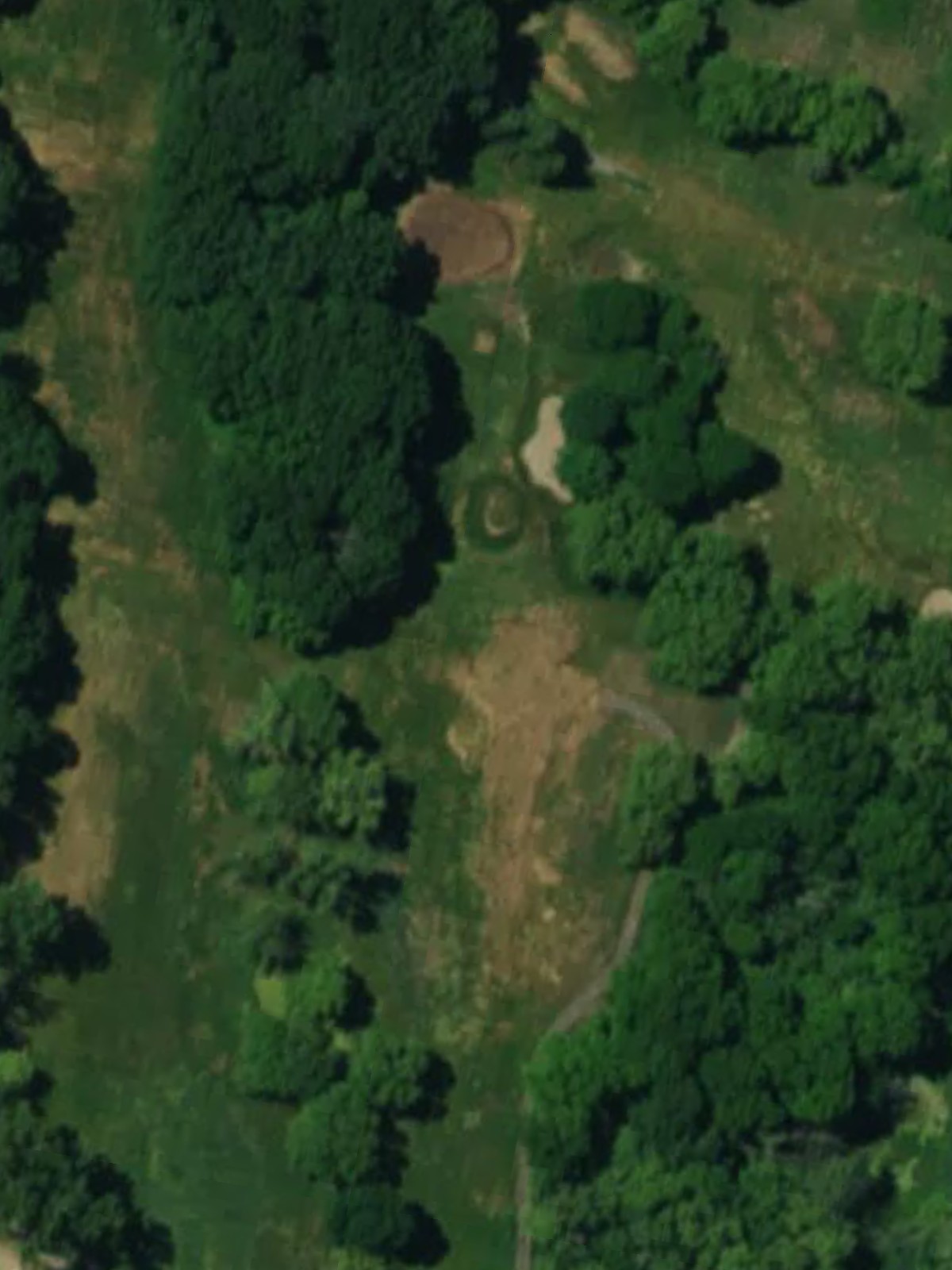
A short par 4 that demands accuracy over distance, with a tight fairway that will not forgive wayward shots. The green is well-bunkered and slopes significantly, making proper approach angle critical for scoring.
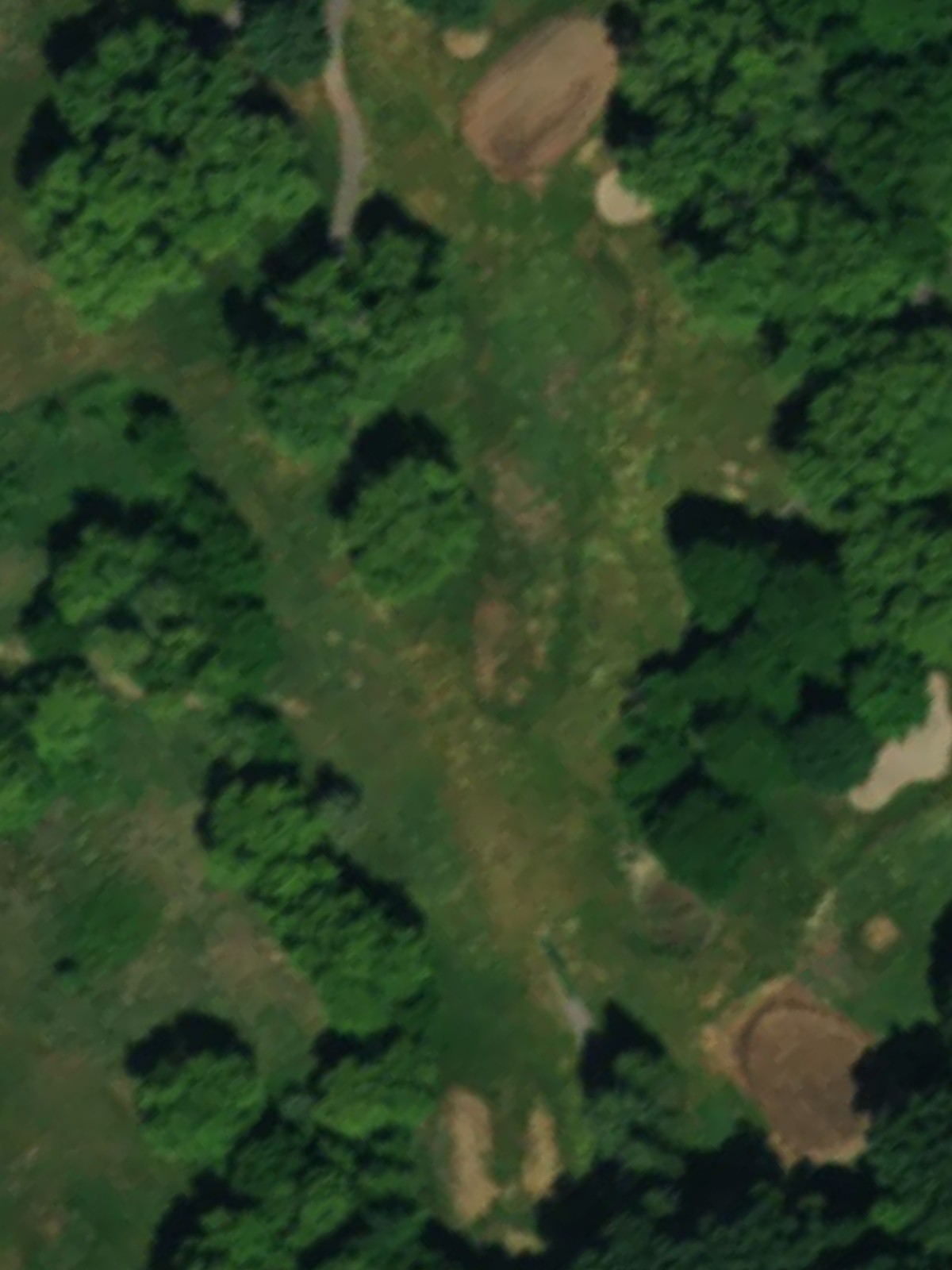
A mid-length par 3 with a relatively open green complex that rewards solid contact. The hole features minimal bunkering but plays longer than it appears, with elevation changes affecting club selection.
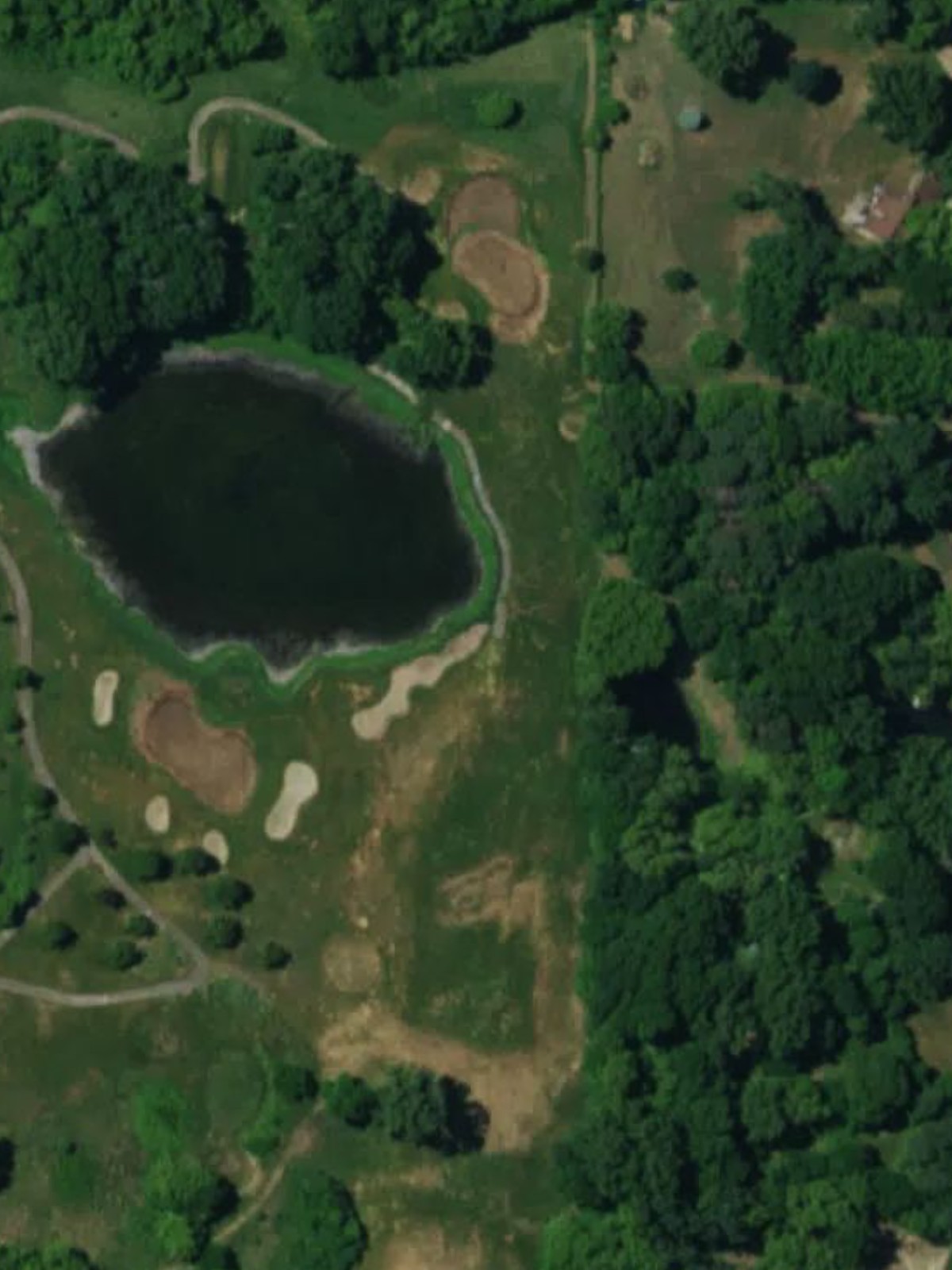
The course's hardest hole is a demanding par 4 with a narrow fairway and severe hazards penalizing both left and right misses. The small, well-protected green requires a precise approach after a challenging drive.
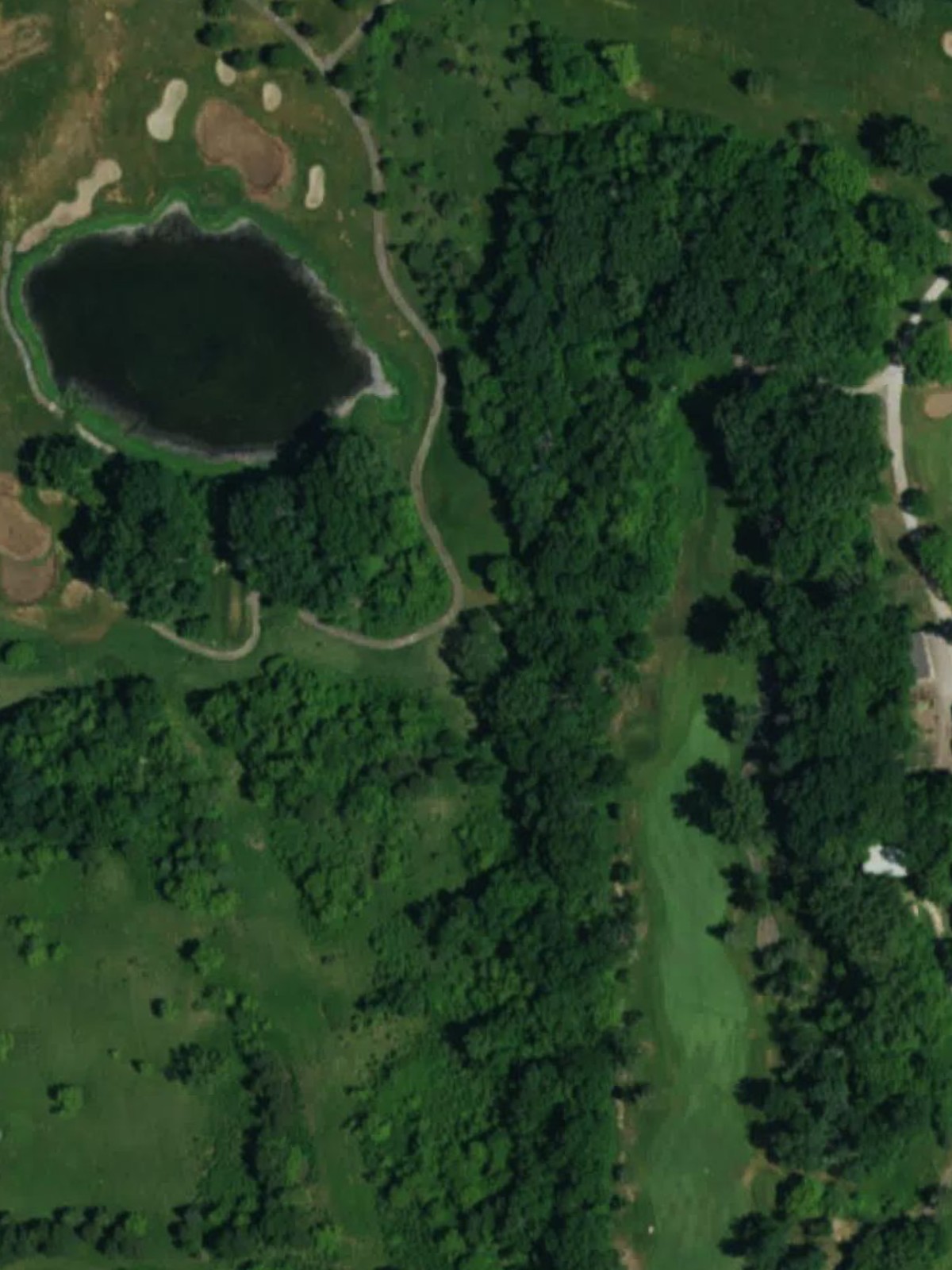
A deceptive par 3 where length is the primary defense, with few bunkers but enough rough and hazards surrounding the green to punish imprecise shots. The elevated tee shot requires confidence in club selection over a significant distance.
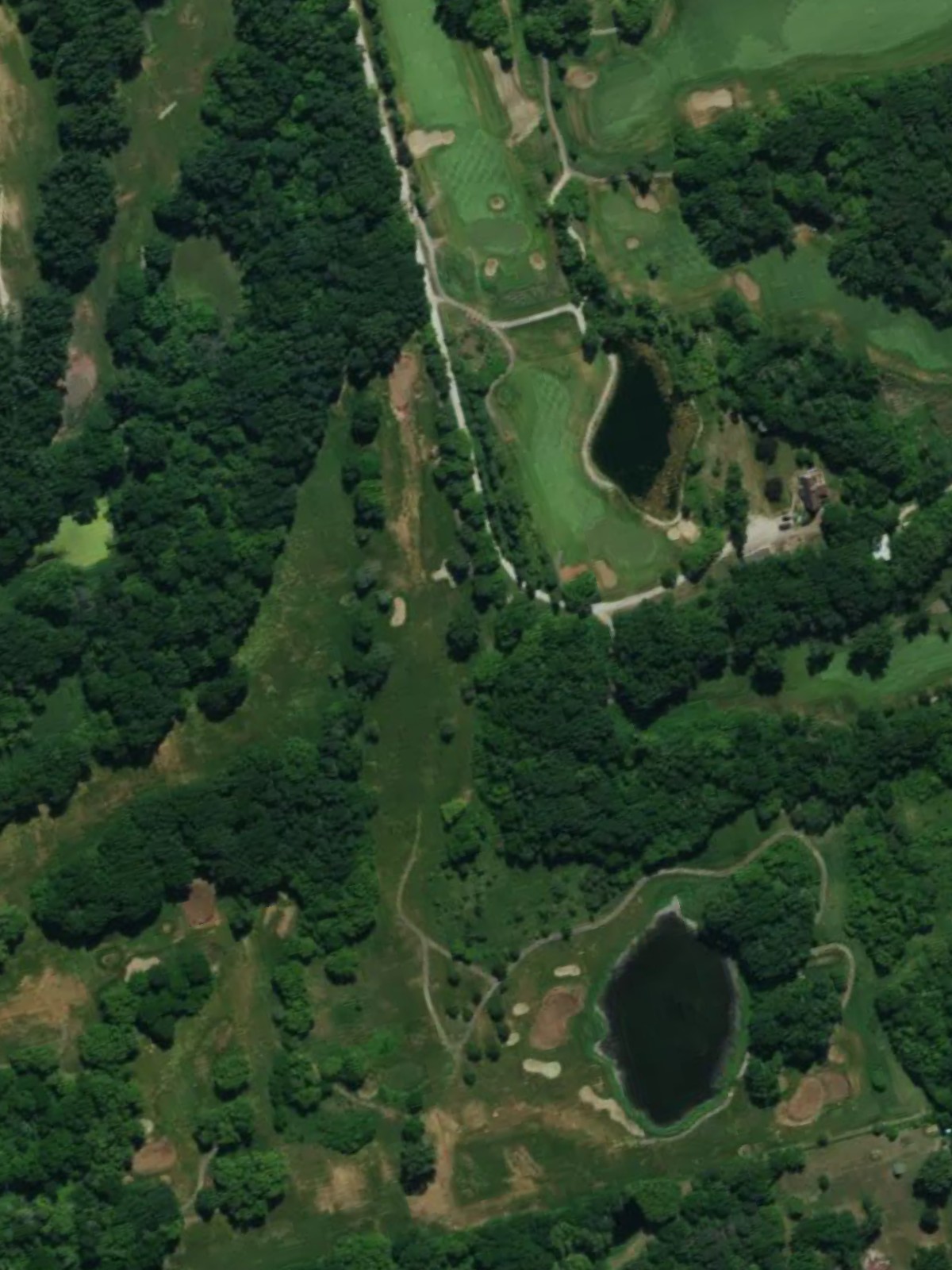
A solid par 4 with a fairway that demands a straight drive to set up a manageable approach. Water hazards and bunkers guard the left side, rewarding those who find the right portion of the fairway.
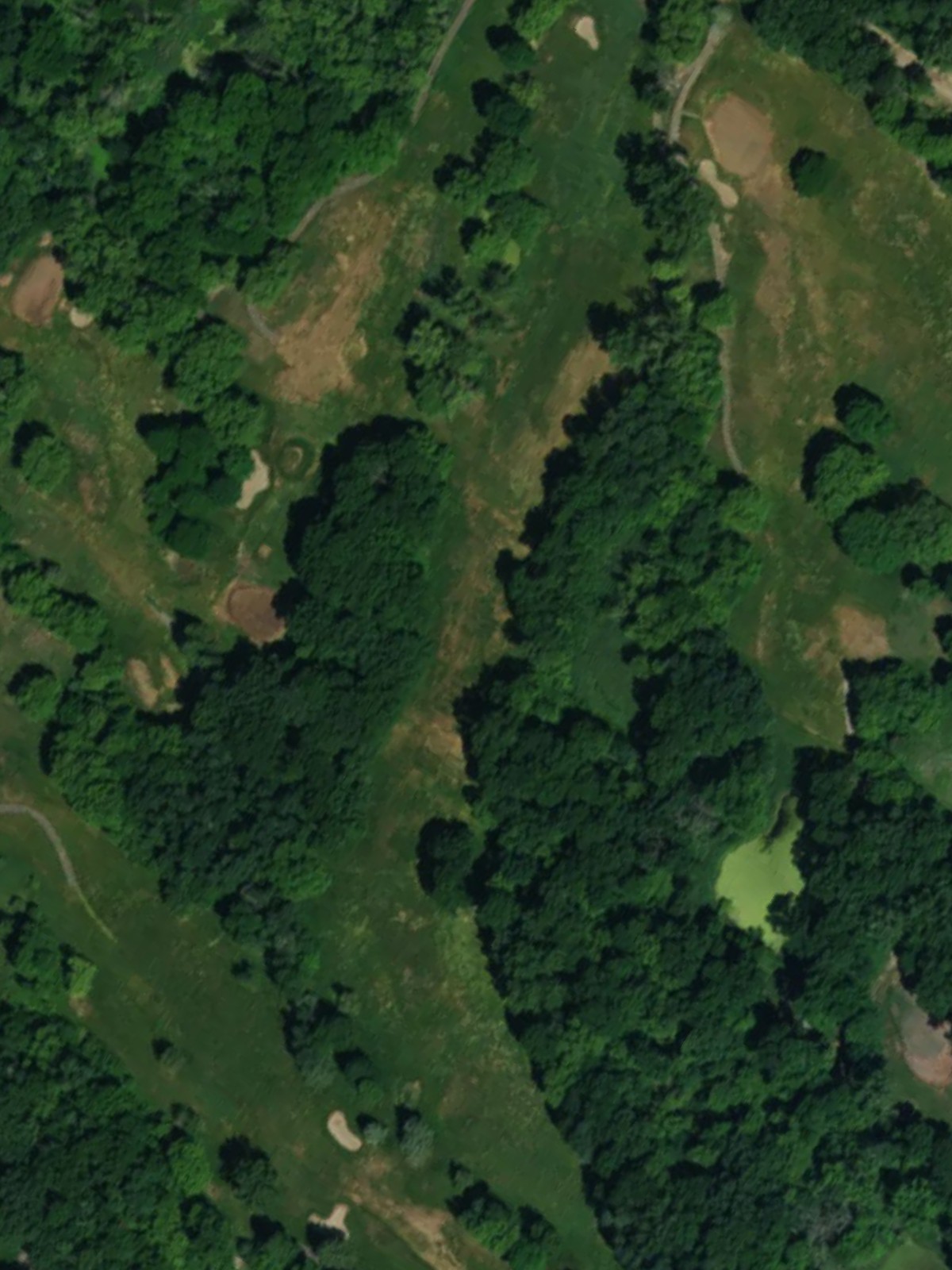
The signature par 5 and stroke index 1 hole features a dramatic dogleg that tests both length and positioning off the tee. Strategic water placement throughout the hole rewards aggressive play but severely punishes mistakes.
A mid-length par 3 with a well-shaped green that slopes away from the tee and is protected by bunkers on multiple sides. The green's contours make proximity to the hole on the approach far more important than simply reaching the surface.
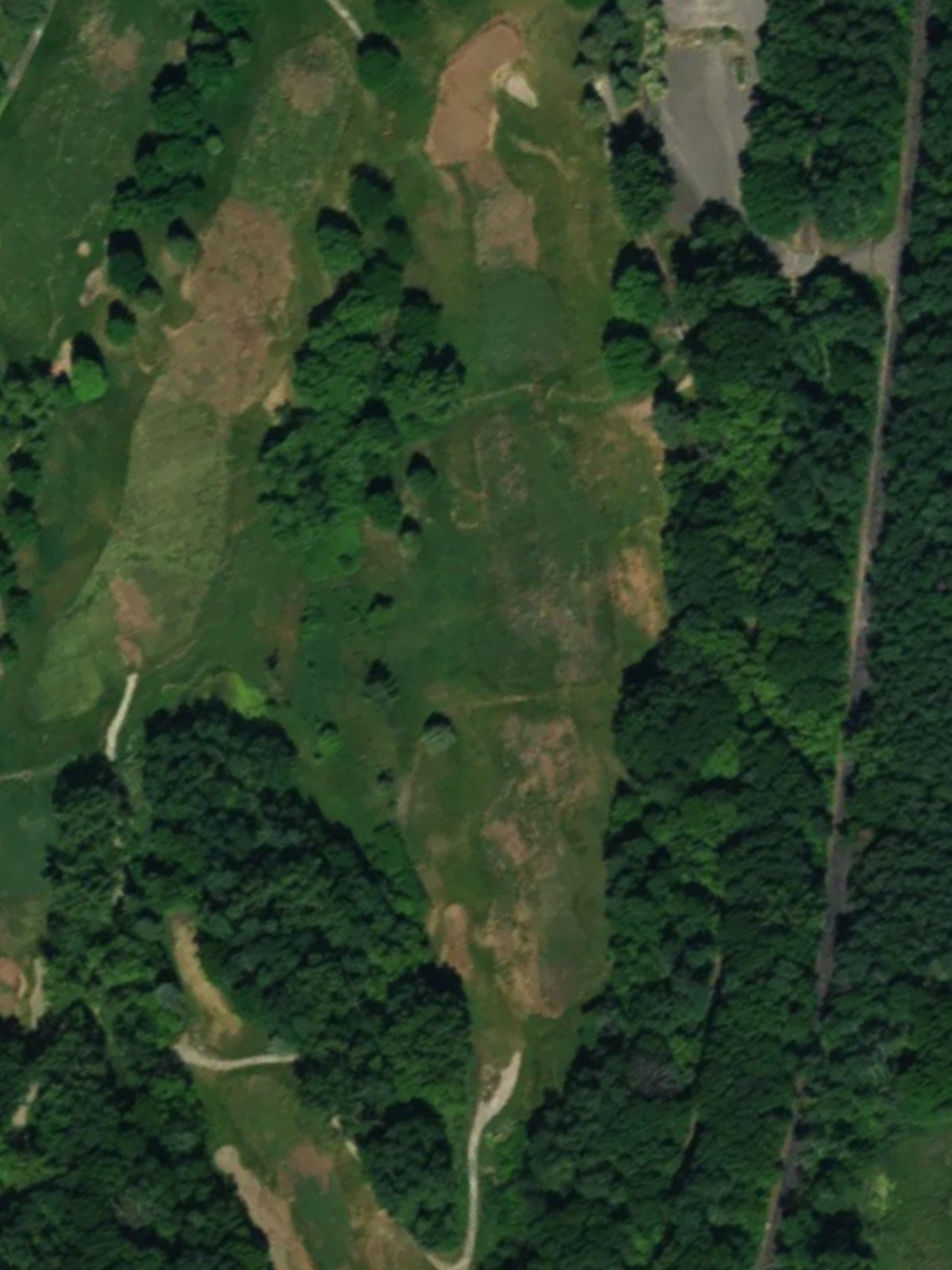
A strong par 4 with a fairway that doglegs and narrows significantly near the landing area, demanding control off the tee. Bunkers and hazards frame both sides of the approach, leaving little margin for error into the green.
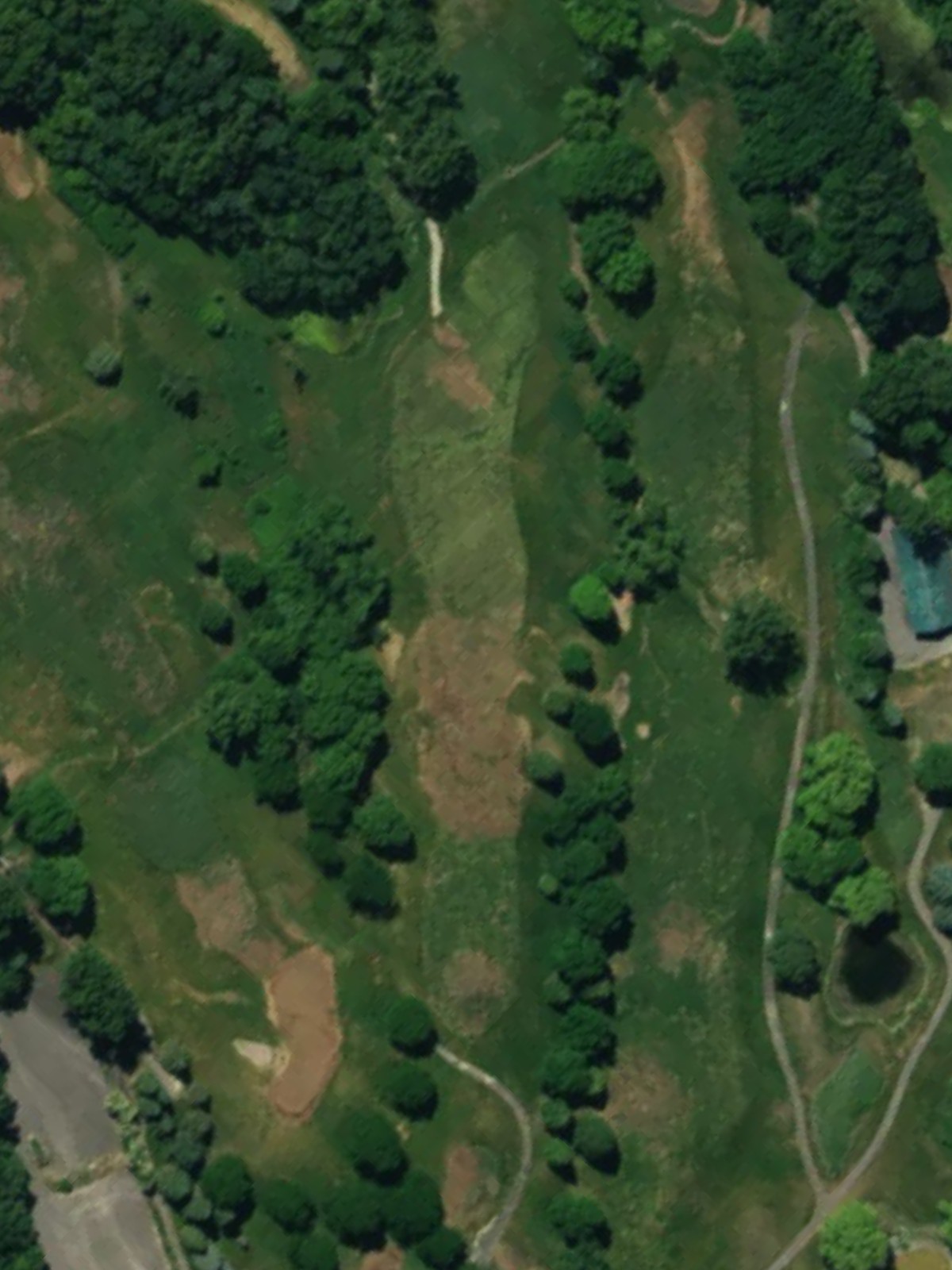
A par 4 with a fairway that offers decent width off the tee but tightens considerably near the green. Well-placed bunkers guard the approach, making proper positioning crucial for a clear second shot.
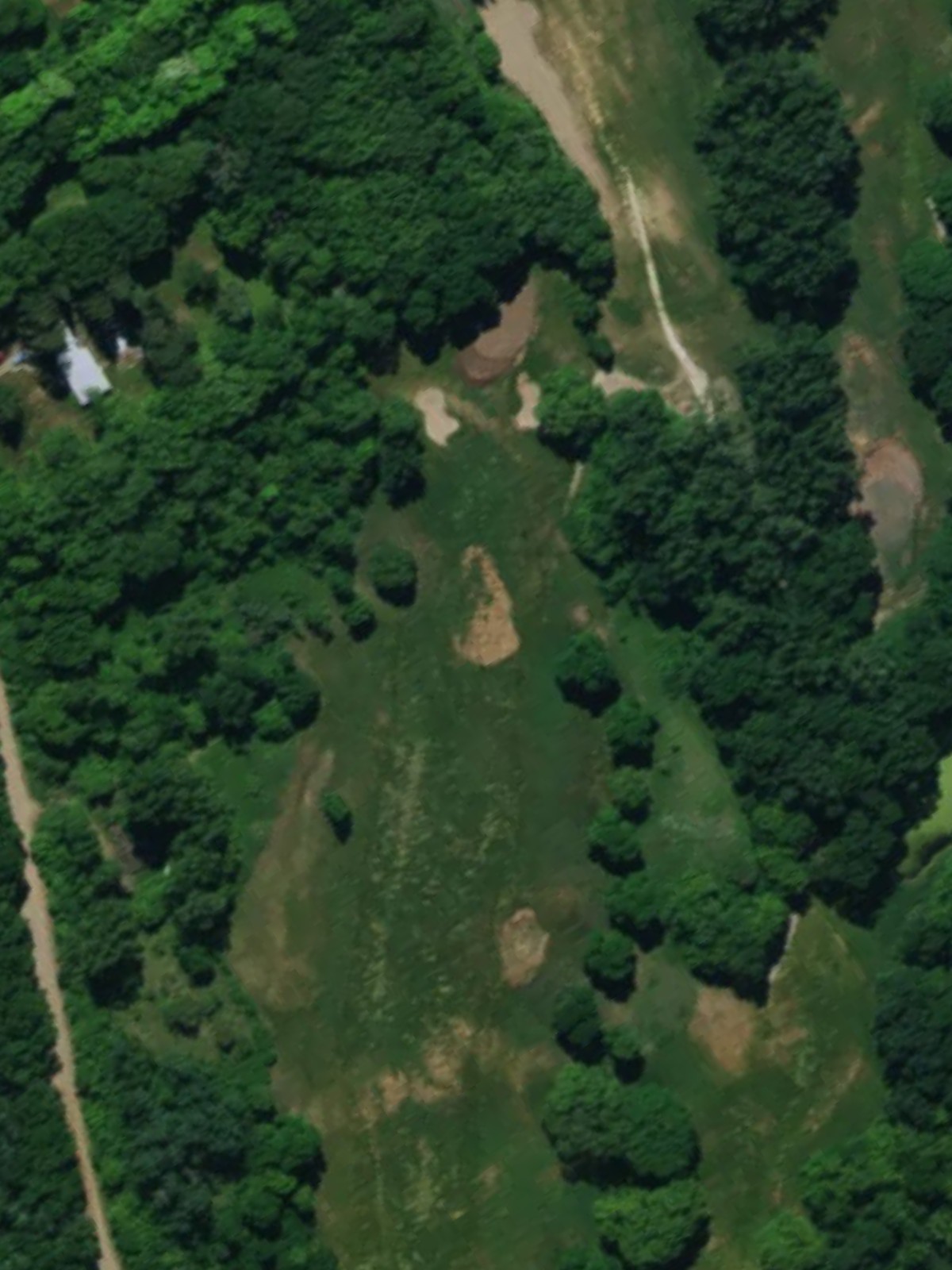
The course's second-most difficult hole is a long par 4 with a narrow fairway bordered by hazards on both sides throughout the hole. The demanding length and tight routing leave little room for recovery from poor positioning.
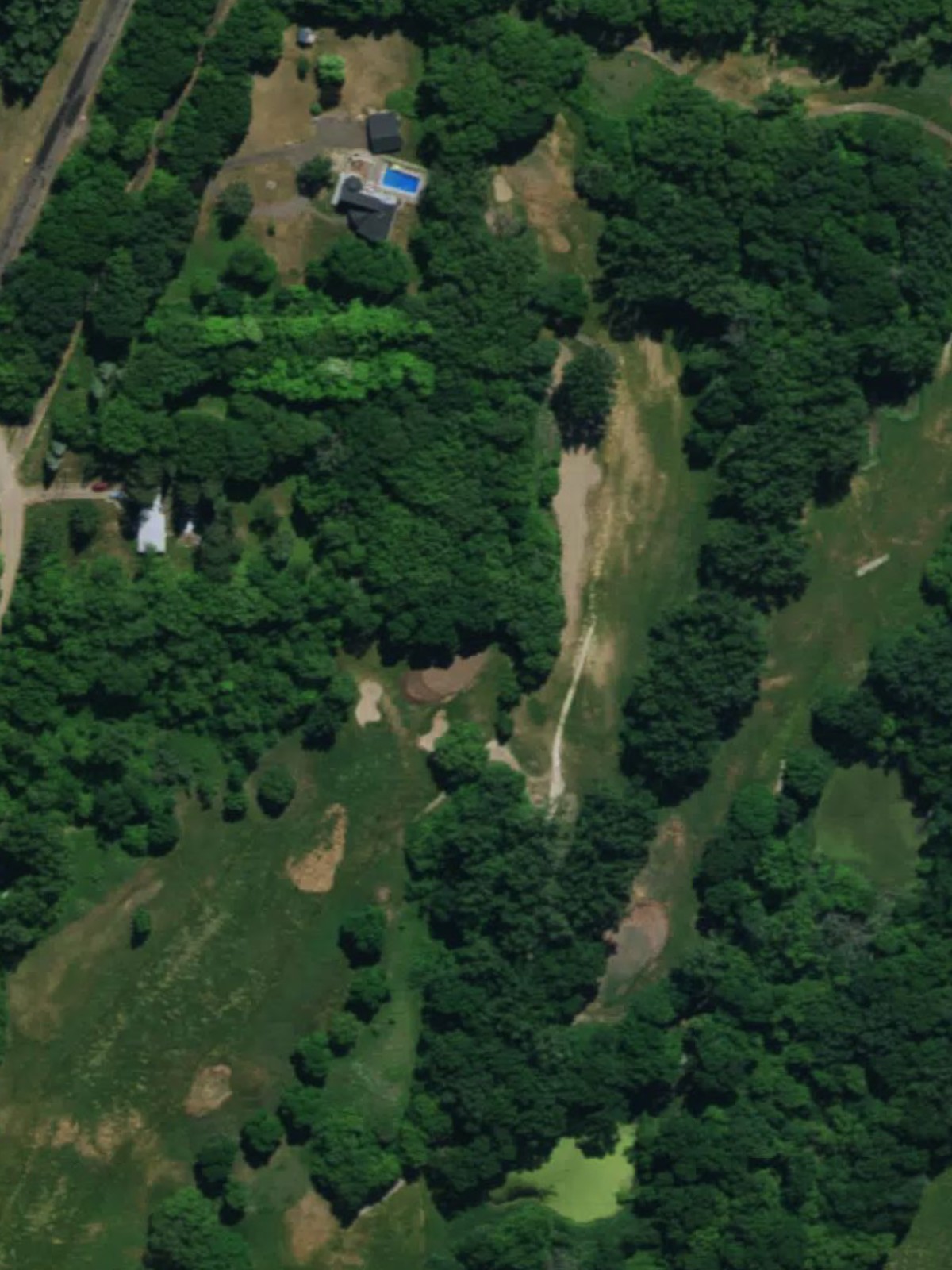
A relatively short par 4 that plays shorter than its yardage suggests, offering a scoring opportunity despite its modest length. The fairway opens up to the green, but strategic bunkering still requires attention to approach angles.
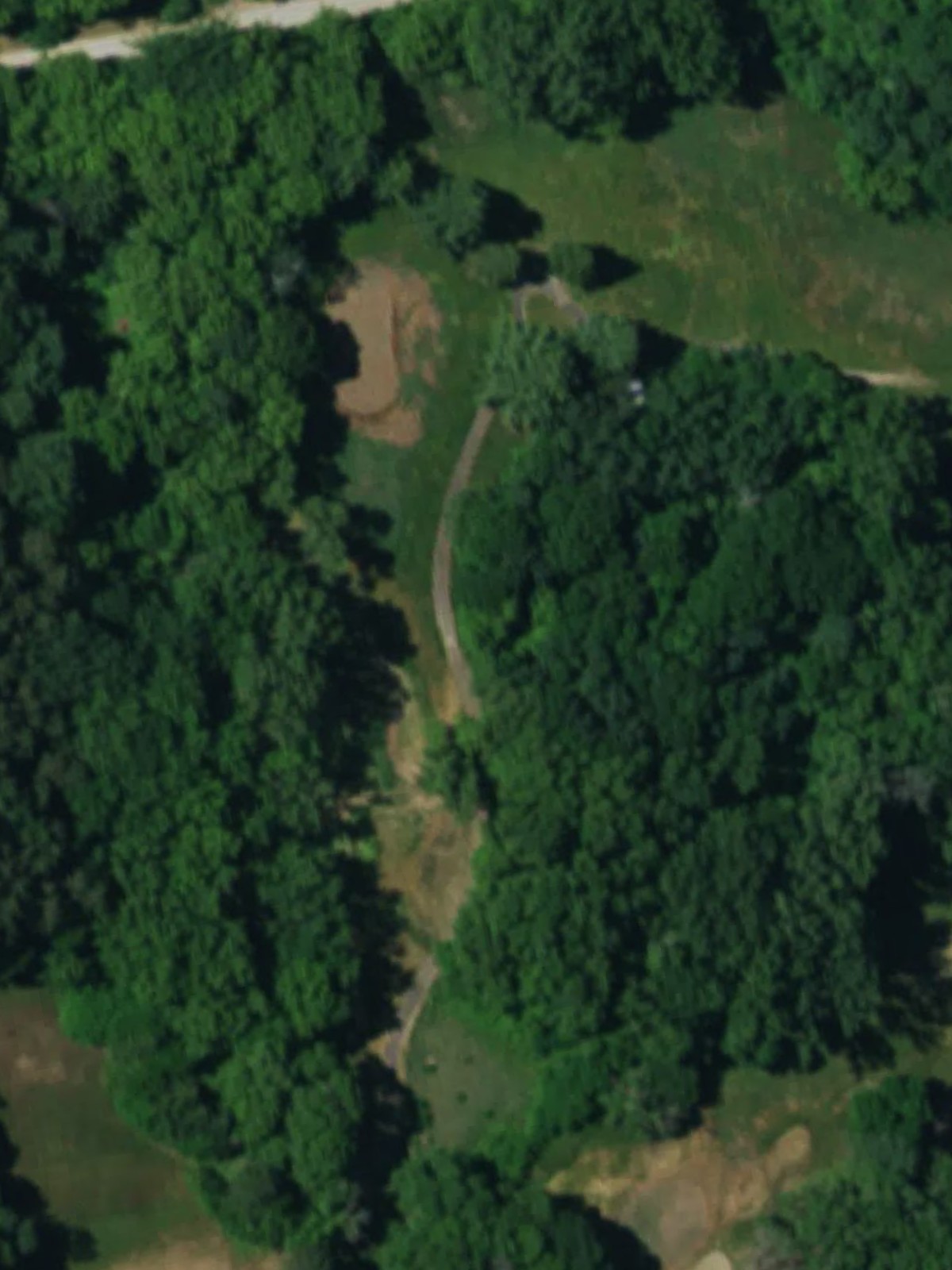
A mid-length par 3 with moderate bunkering and a green that accepts shots well from most angles. The hole's primary challenge is the significant distance from tee to green with limited bail-out areas.
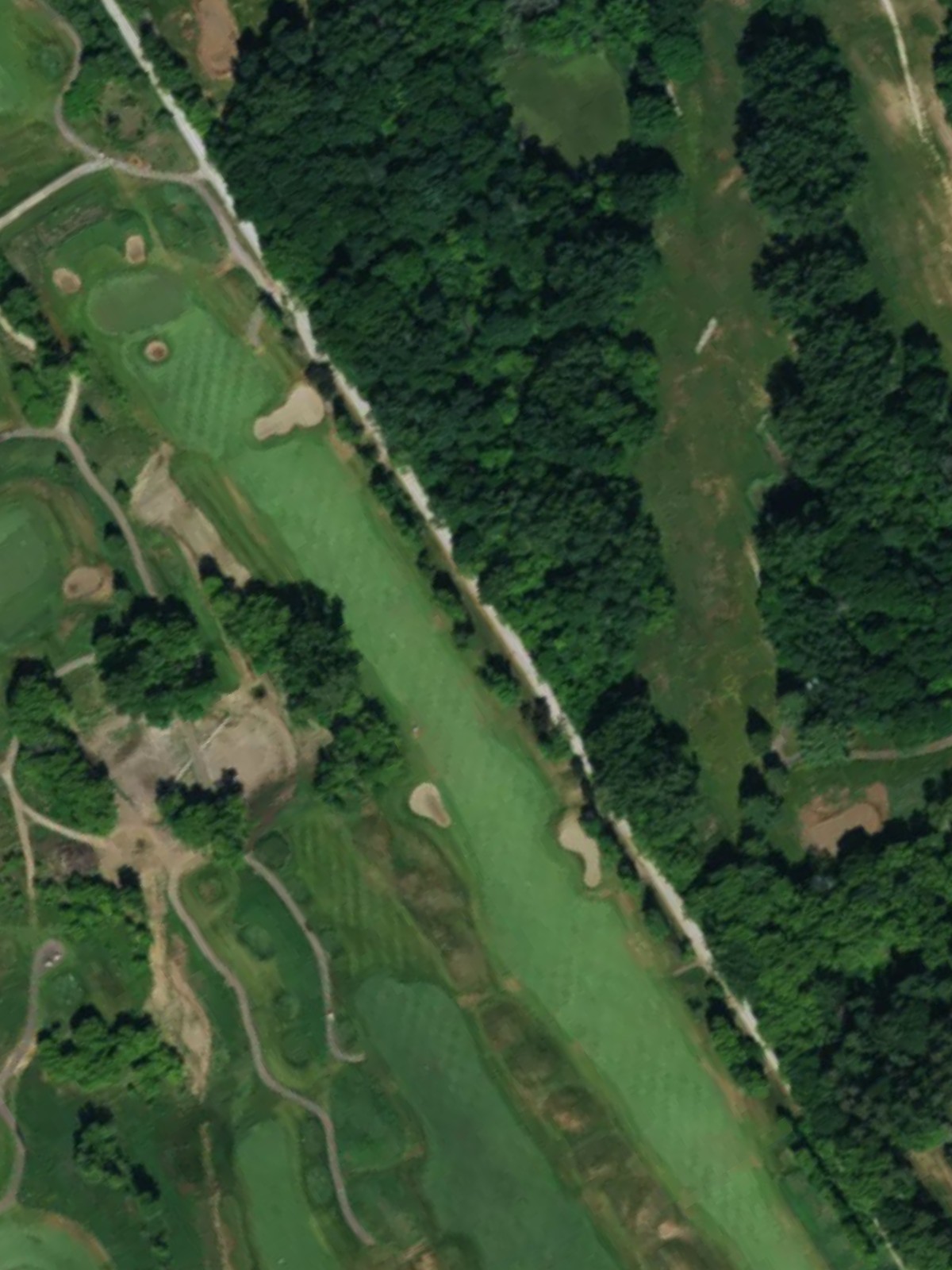
An attractive par 4 with a fairway that curves gently and remains relatively open off the tee, allowing aggressive play. The green is protected by bunkers and hazards on the approach, rewarding accurate second shots.
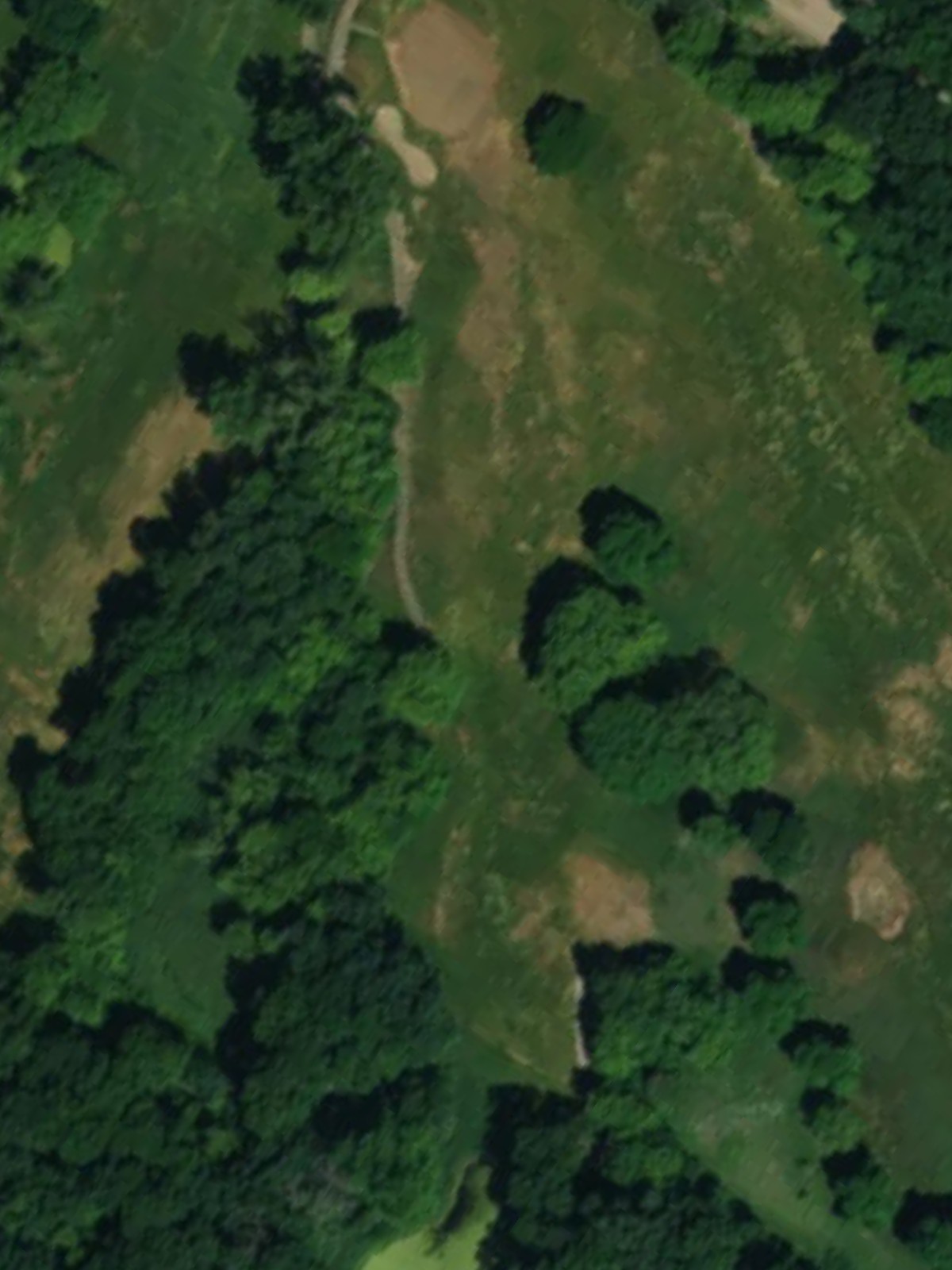
A solid par 4 with a fairway that narrows approaching the green, placing emphasis on both accuracy off the tee and precision with the approach. Bunkers and hazards surround the green, making proper club selection critical.
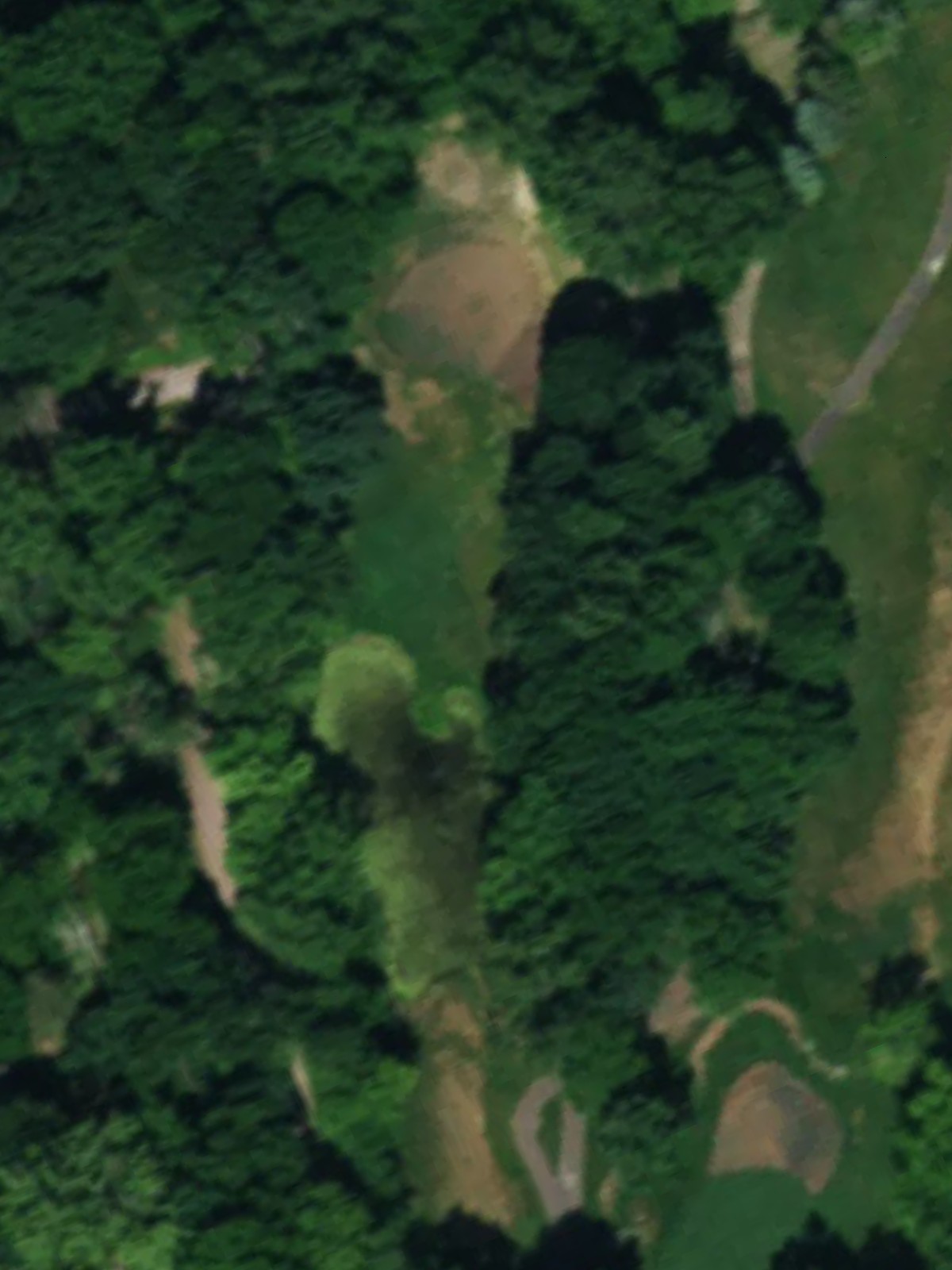
The shortest hole on the course is a short par 3 that plays deceivingly difficult despite its length, with well-placed hazards surrounding a small, sloped green. The tight green complex requires a precise tee shot with minimal margin for error.
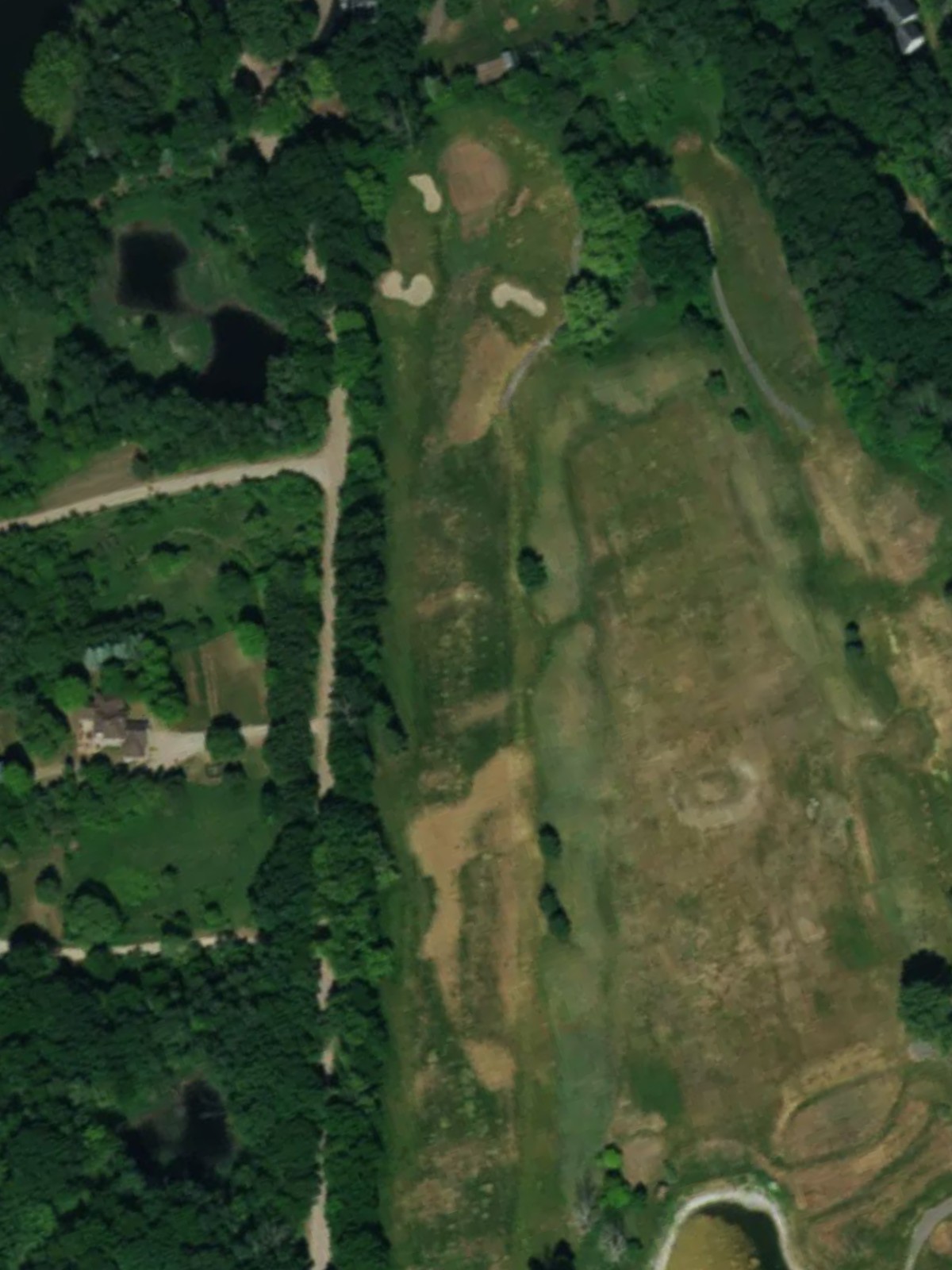
A dramatic par 5 with a strong routing that demands strategic decision-making throughout the hole, featuring water and hazards that reward aggressive positioning. The hole's length and hazard placement make conservative play the safer option for most golfers.
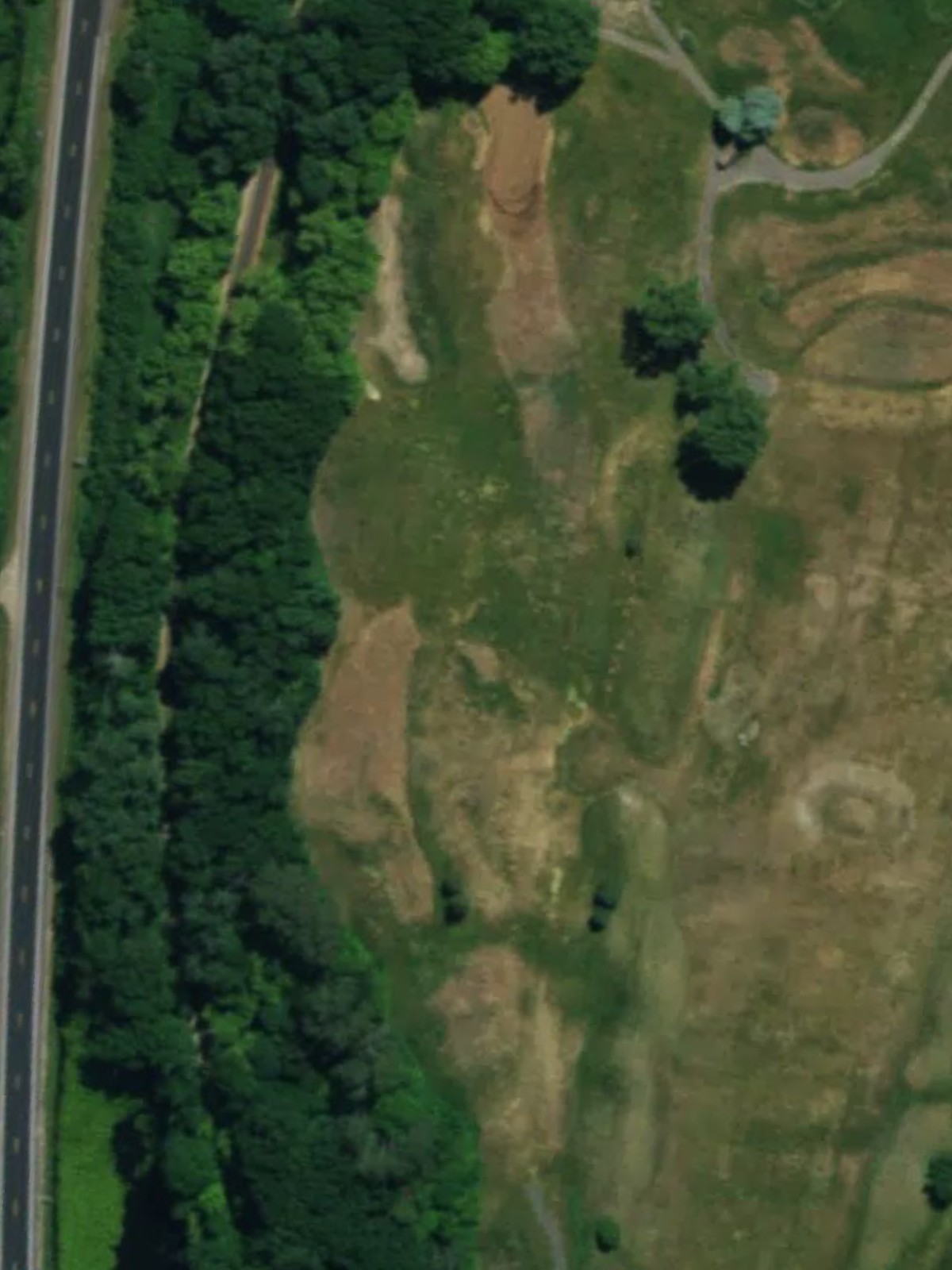
A finishing par 4 with a fairway that gradually narrows toward the green, setting up a demanding approach to conclude the round. Bunkers and hazards frame the final approach, making a precise second shot essential for a strong finish.
Scorecard
| Hole | 1 | 2 | 3 | 4 | 5 | 6 | 7 | 8 | 9 | Out | 10 | 11 | 12 | 13 | 14 | 15 | 16 | 17 | 18 | In | Tot |
|---|---|---|---|---|---|---|---|---|---|---|---|---|---|---|---|---|---|---|---|---|---|
| Par | 5 | 4 | 3 | 4 | 3 | 4 | 5 | 3 | 4 | 35 | 4 | 4 | 4 | 3 | 4 | 4 | 3 | 5 | 4 | 35 | 70 |
| HCP | 11 | 9 | 15 | 5 | 17 | 7 | 1 | 13 | 3 | 6 | 2 | 16 | 14 | 8 | 12 | 18 | 4 | 10 | |||
| blue | 478 | 310 | 176 | 393 | 202 | 405 | 562 | 175 | 410 | 3111 | 401 | 441 | 300 | 185 | 366 | 372 | 134 | 536 | 416 | 3151 | 6262 |
| white | 469 | 292 | 155 | 382 | 164 | 371 | 548 | 156 | 325 | 2862 | 384 | 425 | 288 | 159 | 361 | 327 | 120 | 492 | 359 | 2915 | 5777 |